

October 21, 2026
This post explains what dental practices need to understand about HIPAA before adopting an AI assistant for calls, texts, and scheduling, including vendor questions and internal safeguards.

Picture this. You're on a job site with dust on your boots, or you're halfway through a meeting with a client, or you're standing at the counter helping someone pick out the right product. In the span of ten minutes, your phone rings and goes to voicemail, a new email lands in an inbox that already has forty unread messages, and someone fills out the quote request form on your website. You can only deal with one of those right now, maybe none of them until later tonight.
Here's the quiet part nobody likes to say out loud. The person who didn't get an answer isn't going to wait around. They're going to call the next business on the list, the one that happened to pick up or reply first. They don't know you're short staffed. They don't know you were in a meeting. They just know that someone else got back to them and you didn't.
Customers do not grade on a curve because you're small. They expect a fast answer, full stop. And more often than owners want to admit, speed of response, not price, not even quality, is what actually decides who gets the job.
Larger companies often have dedicated staff answering phones, triaging emails, and monitoring web chat around the clock. Most small and mid-size businesses don't have that luxury. The owner or a handful of employees are doing the work, managing the team, and trying to handle customer communication, all at the same time. When you're wearing five hats, something has to slip, and it's usually the response time.
The frustrating part is that customers judge every business by the same standard, regardless of size. They expect the same speed from a five-person shop that they'd expect from a company with a call center. That expectation gap is where a lot of good businesses quietly lose work they never even knew they were in the running for.
Responses tend to slip in a few predictable places.
As a simple illustrative example only, imagine a business that misses even a handful of calls a week, and each job is worth a modest amount. Multiply that out over a year and the lost revenue adds up fast, even without any real statistics attached to it. The point isn't the exact number, it's that every missed response has a cost, and it compounds.
This is where AI tools, used well, can genuinely help a small business punch above its weight. In plain terms, an AI agent can:
Done right, this doesn't replace your team, it just makes sure nobody waiting on an answer is left in silence.
AI is useful, but it has real limits, and pretending otherwise does your customers a disservice. AI generally should not handle, on its own:
This is why a clear handoff to a person is non negotiable. The goal is fast, honest communication, not a robot pretending to be something it isn't.
If you're considering a tool, run it through this short checklist first:
You don't need to overhaul everything at once. A reasonable path looks like this:
Small, steady steps beat a rushed rollout every time.
Anablock builds AI agents for customer support, sales, and lead generation, with the goal of helping businesses respond faster without losing the personal touch. Inside the Anablock CRM, Ana is the AI assistant that helps with sales and marketing work, and Echo is the AI voice and text agent that can help with same day appointment booking. Conversations, contacts, and follow ups live in one place, so nothing falls through the cracks between phone, email, and web.
Will customers be upset to talk to an AI? Some might prefer a human right away, and that's fine. Most customers care more about getting a fast, clear answer than about who or what provided it, as long as there's an easy way to reach a person when they need one.
Can AI handle phone calls and not just chat? Yes, modern AI voice agents can answer calls, ask questions, and capture information, not just handle web chat. The quality varies by tool, so it's worth testing before committing.
What if the AI does not know the answer? A well set up AI agent should recognize its limits and hand the conversation to a human rather than guessing. That handoff is one of the most important things to get right.
How long does it take to get started? It depends on the complexity of your business and how many channels you're connecting, but starting with one channel and a short list of common questions can get you moving fairly quickly.
Every business loses some responses somewhere, phone, email, or web. The question is whether you know where, and whether you're doing anything about it. If you'd like to walk through where your business might be losing customers to slow responses, and what a more realistic setup could look like, let's have an honest conversation.
Book a call with Vuk and we'll talk through it together, no pressure, just a practical look at where things stand.
Written by
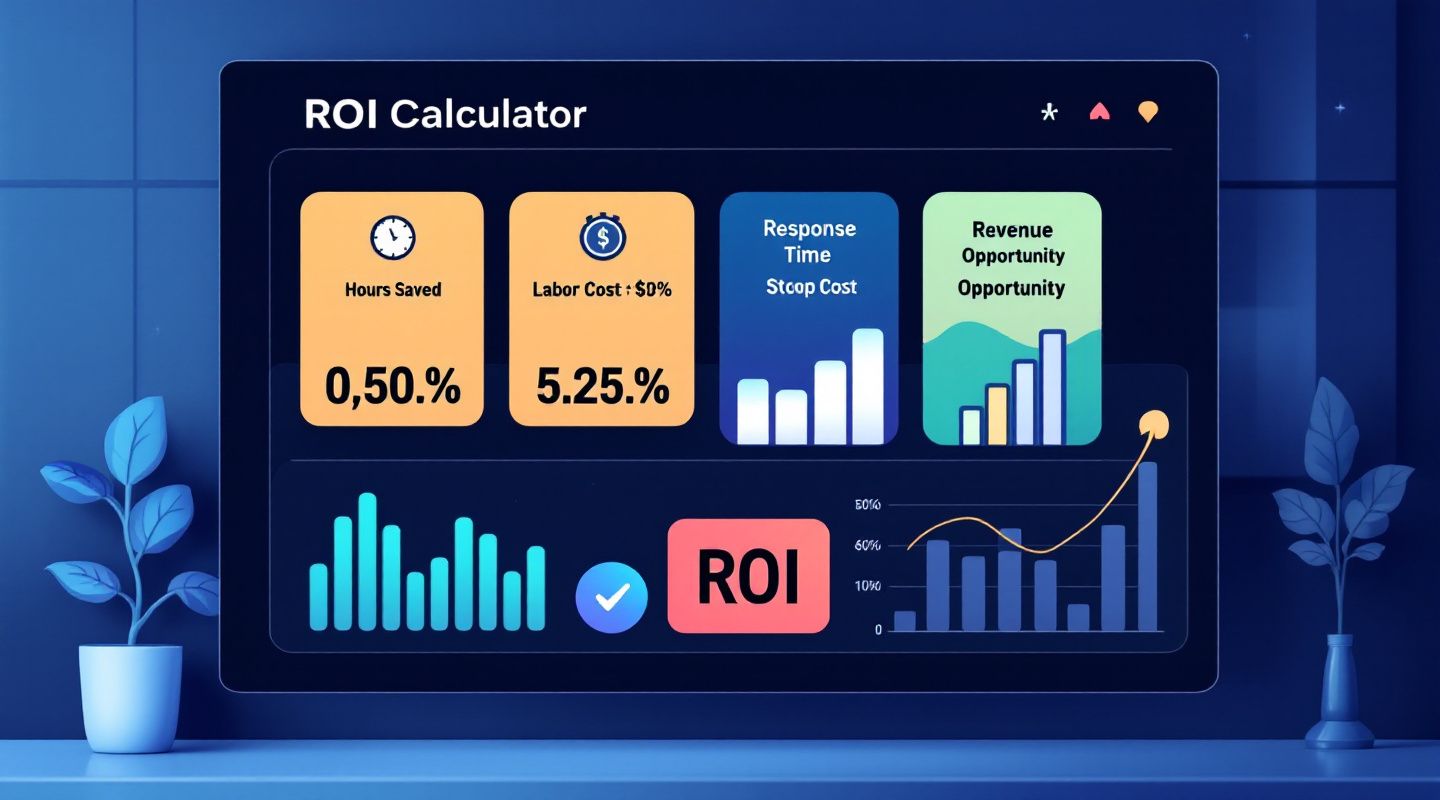
If you are ready to move from research to implementation, we can help map the right AI system around your tools, data, team, and goals.