

October 21, 2026
This post explains what dental practices need to understand about HIPAA before adopting an AI assistant for calls, texts, and scheduling, including vendor questions and internal safeguards.
Before touching any AI tooling, a single oncology patient chart at Banner Health could take a clinician roughly eight hours to prepare for a previsit summary — medical records for oncology patients can run hundreds of pages and contain PDFs, images and even paper faxes, with manual previsit summarization taking about eight hours per patient. Multiply that across a 33-hospital system with over 55,000 employees, and you get a workforce problem no amount of hiring solves.
This is the story we keep running into with every enterprise client at Anablock, regardless of industry: the bottleneck isn't talent or effort — it's the volume of unstructured, repetitive work sitting between your people and the decisions that actually need a human. Banner Health's approach to solving it, recently documented by Anthropic, is a near-perfect blueprint for how any large organization should think about deploying AI agents.
Banner didn't start with a company-wide AI mandate. They started with one painful, well-defined workflow: summarizing oncology patient records. From there:
Critically, this wasn't framed as "replace the clinician." As one Banner physician put it, the value shows up most for the people doing the groundwork: "It certainly can amplify the ability of the physician, but even more so the medical scribes, MAs, nurses that are doing some of this chart prep."
And they're not stopping at documentation. Banner is now expanding chart preparation capabilities across multiple specialties including neurology, cardiology, and infectious disease, and is developing an automation agent to streamline the workflow, which will be critical for broader adoption. Future applications will extend across customer experience centers, revenue cycle operations, and supply chain management — demonstrating how a single AI platform can transform every kind of work found across a complex healthcare system.
Banner's own leadership frames it as an operating philosophy, not a point solution. As CTO Michael Reagin described it to Becker's: "We view the relationship with Anthropic as being an anchor point that helps us orchestrate a lot of other AI."
This is the pattern worth internalizing: narrow entry point → proven ROI → horizontal expansion.
Most organizations approach AI adoption in one of two broken ways:
Banner avoided both. They picked the highest-friction, highest-volume manual task (chart prep), measured the result, and only then expanded. The trust built from one working use case — not a slide deck — is what unlocked buy-in to roll the tool out to the entire workforce and start eyeing call centers, revenue cycle, and supply chain next.
This mirrors almost exactly how we approach AI agent deployments at Anablock, just outside the hospital walls.
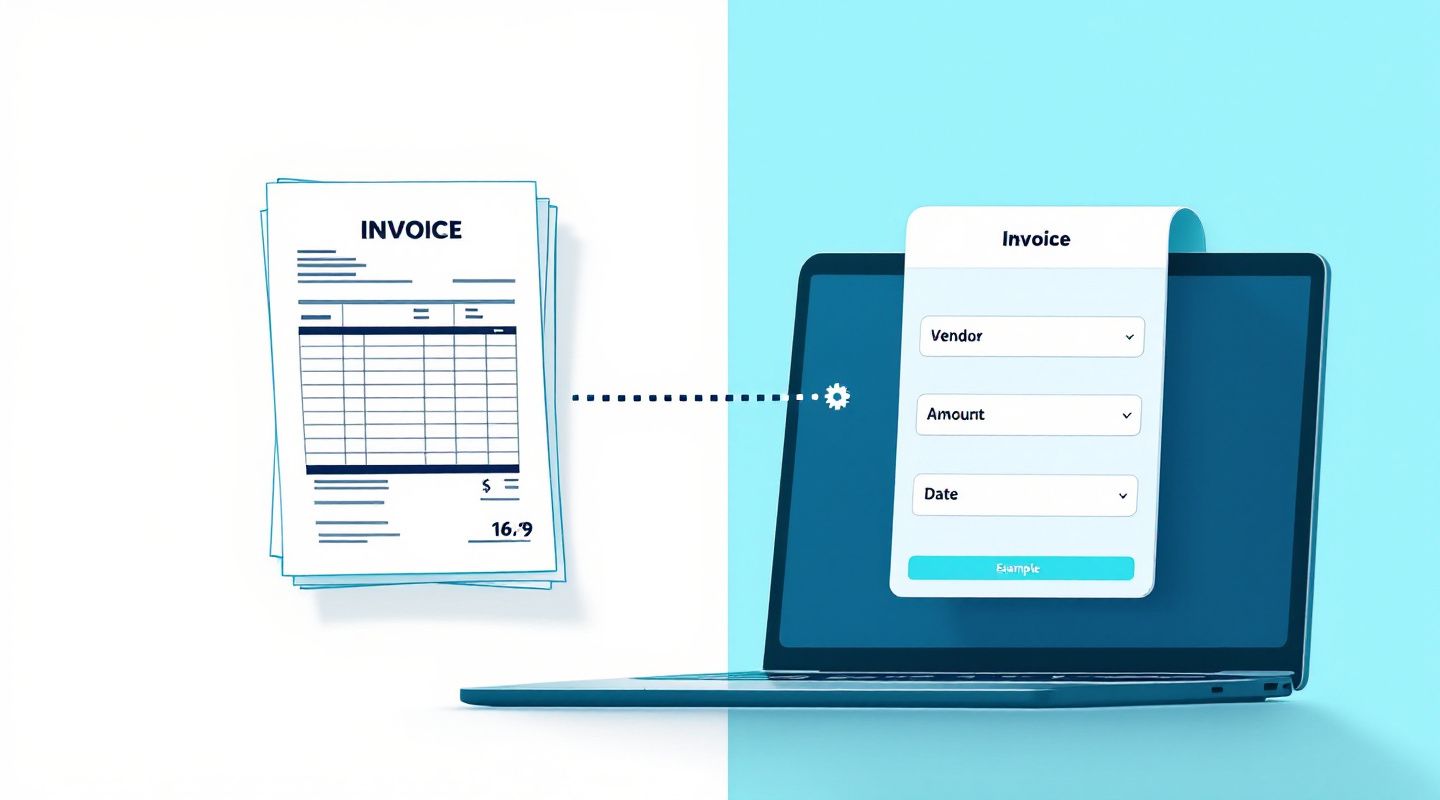
You don't need to be a $15.6B health system to run this model. The underlying pattern — find the repetitive, document-heavy, or conversation-heavy bottleneck and put an AI agent on it first — applies directly to:
This is exactly what Anablock's Echo platform is built for — AI voice and text agents that handle inbound calls, SMS, appointment booking, and FAQs 24/7, so your team spends its time on the conversations that actually require a human. The math is the same as Banner's: our AI agents routinely handle 80%+ of routine inbound inquiries, with response times measured in seconds instead of hours — and 85% user-reported time savings, like Banner saw, is well within reach for any team drowning in repetitive requests.
Whether you're a hospital system or a 20-person service business, the same five principles apply:
AI in the enterprise isn't won by whoever buys the biggest platform — it's won by whoever ships the first workflow that actually saves people time, then has the discipline to expand from there. Banner Health didn't automate an entire hospital system overnight. They fixed one brutal, 8-hour bottleneck, proved it out, and are now systematically working outward.
That's the model. And it's one you can start executing this month, not next year.
Want to see what an AI agent could take off your team's plate? Book a 15-minute demo and we'll show you exactly where the fastest win is hiding in your workflow — or explore Echo directly.
Sources: Anthropic customer story, claude.com/customers/banner-health; Becker's Hospital Review, "Why Anthropic is targeting health systems with Claude"; Becker's Hospital Review, "Anthropic: 12 things to know."
Written by
If you are ready to move from research to implementation, we can help map the right AI system around your tools, data, team, and goals.