 In recent years, the convergence of robotics and artificial intelligence (AI) has led to remarkable advancements in the field of autonomous systems. This exciting intersection is reshaping industries, revolutionizing everyday life, and pushing the boundaries of what machines can achieve. Let's delve into the fascinating world where robotics meets AI to create intelligent, self-governing systems.
The Foundation: Understanding Robotics and AI
Robotics: The Physical Embodiment of Intelligence
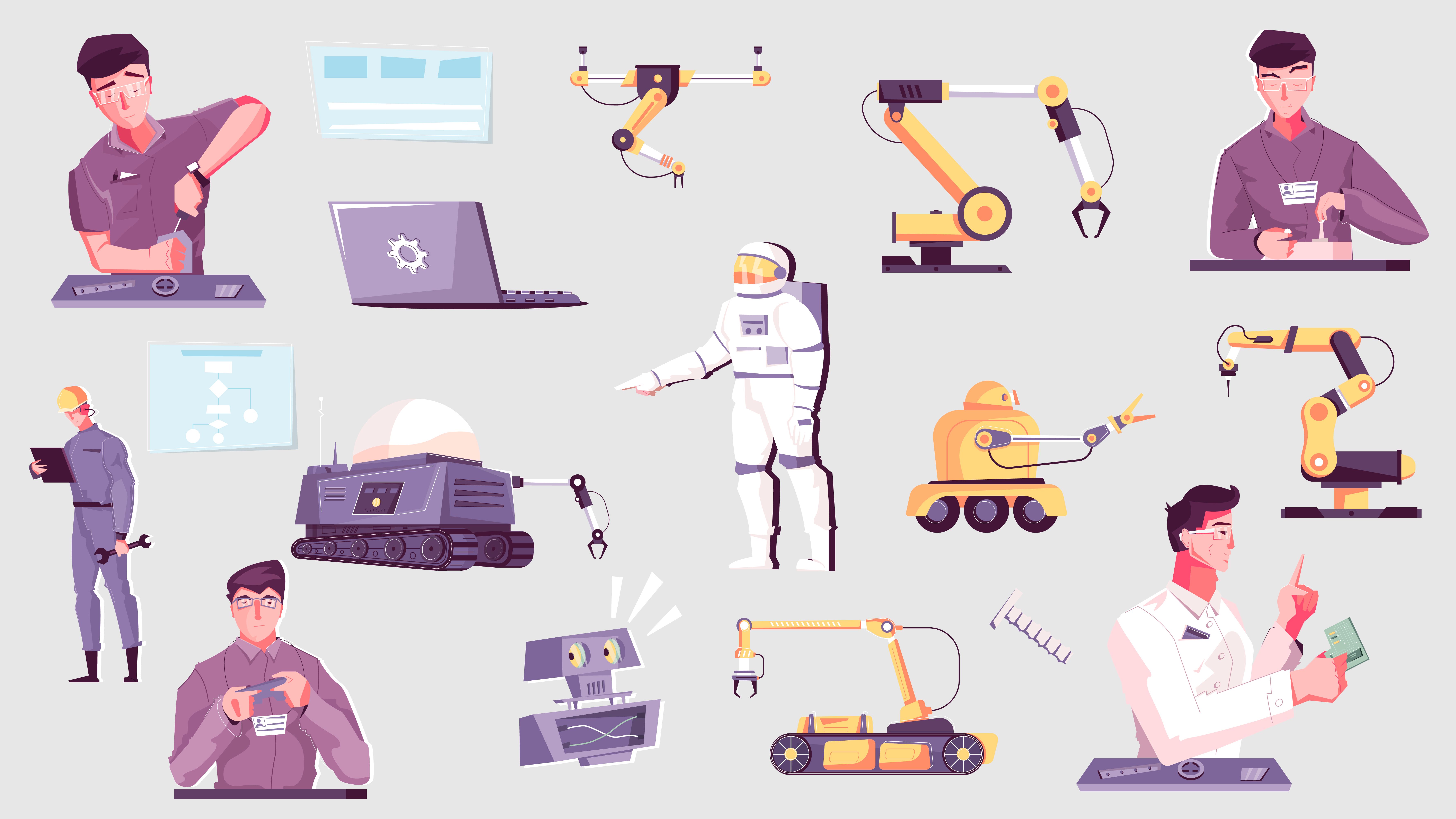
Robotics is the branch of technology that deals with the design, construction, operation, and use of robots. These machines are programmed to carry out complex actions automatically, often mimicking human movements and functions. From industrial arms in manufacturing plants to humanoid robots in research labs, the field of robotics has come a long way in recent decades.
Artificial Intelligence: The Brain Behind the Brawn
Artificial Intelligence, on the other hand, refers to the simulation of human intelligence in machines programmed to think and learn like humans. AI encompasses various subfields, including machine learning, natural language processing, and computer vision. When integrated with robotics, AI provides the "brain" that allows robots to perceive, learn, and make decisions.
The Synergy: How AI Enhances Robotics
The integration of AI into robotics has led to the creation of autonomous systems capable of performing tasks with minimal human intervention. This synergy has resulted in several key advancements:
1. Enhanced Perception and Decision-Making
AI algorithms, particularly those based on deep learning, have significantly improved robots' ability to perceive and interpret their environment. Computer vision techniques allow robots to recognize objects, navigate complex terrains, and even understand human gestures and expressions.
2. Adaptive Learning and Problem-Solving
Machine learning algorithms enable robots to learn from experience and adapt to new situations. This capability is crucial for autonomous systems operating in dynamic and uncertain environments, such as self-driving cars navigating busy city streets or robots assisting in disaster recovery efforts.
3. Natural Language Interaction
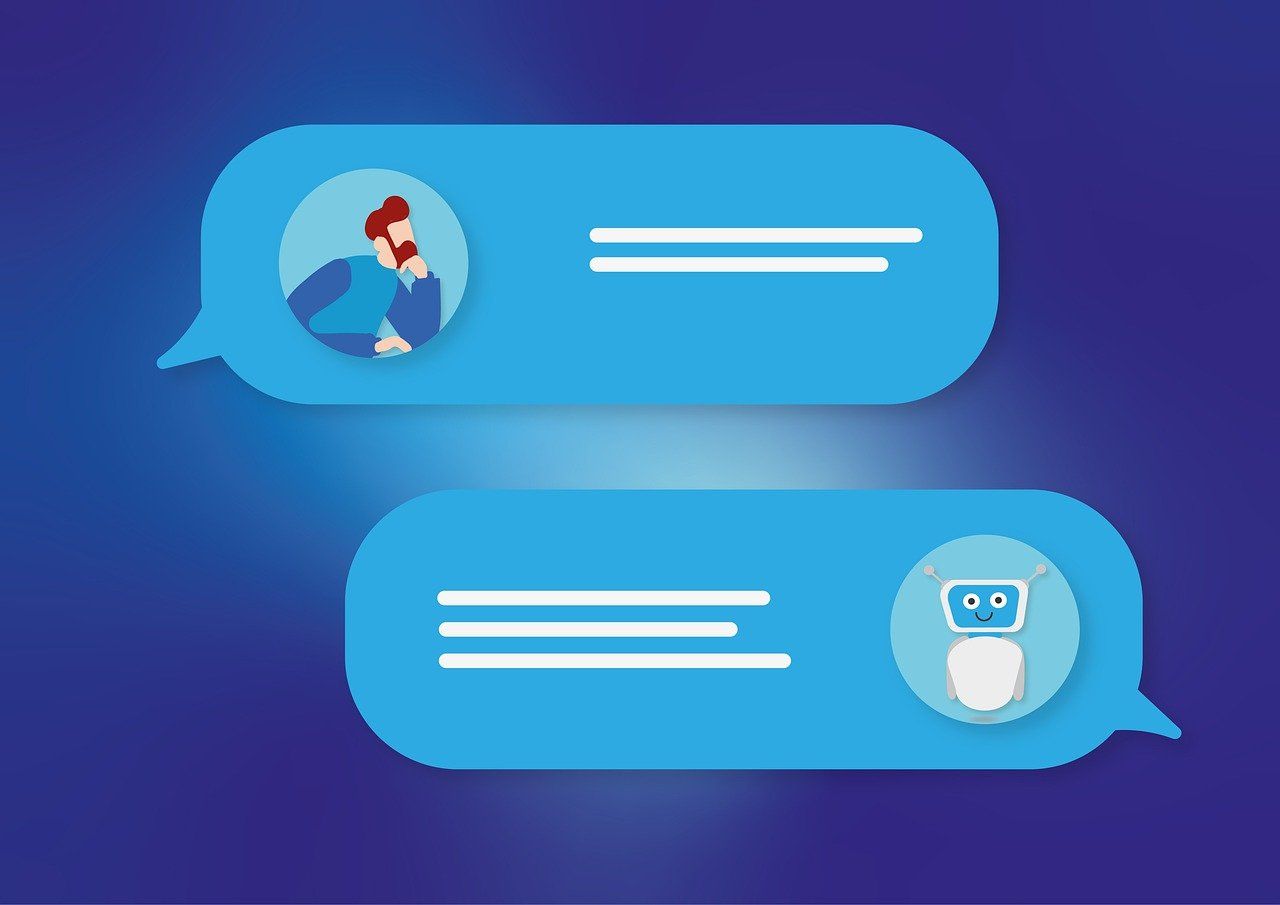
AI-powered natural language processing has made it possible for robots to understand and respond to human speech. This advancement has paved the way for more intuitive human-robot interactions, from voice-controlled home assistants to robots in customer service roles.
Applications of AI-Driven Autonomous Systems
The integration of robotics and AI has led to groundbreaking applications across various sectors:
Manufacturing and Industry 4.0
Smart factories equipped with AI-powered robots can optimize production processes, predict maintenance needs, and adapt to changes in demand with minimal human intervention.
Healthcare and Medical Robotics
AI-enhanced surgical robots assist doctors in performing complex procedures with greater precision. Additionally, autonomous robots are being developed to help with patient care, medication delivery, and even companionship for the elderly.
Autonomous Vehicles
Perhaps one of the most visible applications of AI and robotics, self-driving cars represent a significant leap in transportation technology. These vehicles use a combination of sensors, AI algorithms, and robotics to navigate roads safely and efficiently.
Space Exploration
Robotic rovers equipped with AI capabilities are exploring distant planets and moons, making decisions autonomously when communication with Earth is delayed or impossible.
Challenges and Ethical Considerations
While the potential of AI-driven autonomous systems is immense, several challenges and ethical considerations must be addressed:
Safety and Reliability
Ensuring the safety and reliability of autonomous systems, especially in critical applications like healthcare and transportation, remains a top priority for researchers and developers.
Job Displacement
The increasing automation of tasks traditionally performed by humans raises concerns about job displacement and the need for workforce reskilling.
Ethical Decision-Making
As autonomous systems become more advanced, questions arise about their ability to make ethical decisions, particularly in scenarios where human lives are at stake.
Privacy and Security
The vast amount of data collected and processed by AI-powered robots raises concerns about privacy and the potential for malicious use of this information.
The Future of Autonomous Systems
The future of autonomous systems looks incredibly promising. Researchers are working on developing more sophisticated AI algorithms that can handle complex, real-world scenarios with greater efficiency and adaptability. Some exciting areas of development include:
Swarm Robotics
Teams of small, simple robots working together to accomplish complex tasks, inspired by the behavior of social insects like ants and bees.
Emotional AI
Robots that can recognize and respond to human emotions, potentially revolutionizing fields like education, therapy, and customer service.
Self-Improving AI
Autonomous systems that can not only learn from experience but also improve their own algorithms and hardware designs.
Conclusion
The intersection of robotics and AI is ushering in a new era of autonomous systems that have the potential to transform nearly every aspect of our lives. From enhancing productivity in industries to exploring the far reaches of space, these intelligent machines are pushing the boundaries of what's possible. As we continue to navigate the challenges and ethical considerations, one thing is clear: the future of robotics and AI is limited only by our imagination and ingenuity.
Are you excited about the possibilities of AI-driven autonomous systems? Do you have ideas or projects that could benefit from cutting-edge robotics and AI technologies? We'd love to hear from you! Visit our contact page to connect with our team of experts and explore how we can help bring your vision to life. Together, let's shape the future of autonomous systems!