

October 23, 2026
A practical guide for founders and small teams on building a simple, AI assisted support system without hiring a dedicated support department.
 Artificial Intelligence (AI) has been making significant strides in recent years, and one of the most notable applications of AI technology is chatbots. These intelligent conversational agents are revolutionizing the way businesses interact with customers, but they are also raising concerns about their potential impact on job markets. In this blog post, we will explore the effects of AI chatbots on employment and discuss the challenges and opportunities they present.
AI chatbots have become increasingly popular in recent years, thanks to advancements in natural language processing (NLP) and machine learning. These chatbots are designed to simulate human conversation and provide instant, personalized responses to customer inquiries. Many businesses have already adopted chatbots to streamline their customer service operations, reduce response times, and improve overall customer satisfaction.
One of the primary concerns surrounding AI chatbots is their potential to displace human workers, particularly in customer service roles. As chatbots become more sophisticated and capable of handling a wider range of tasks, there is a risk that they could replace human employees in certain industries. This could lead to job losses and increased unemployment in the short term, as businesses look to cut costs and improve efficiency.
While AI chatbots may displace some jobs, they also have the potential to create new employment opportunities. As businesses adopt chatbot technology, there will be a growing demand for professionals with skills in AI development, data analysis, and chatbot design. Additionally, chatbots can free up human employees to focus on more complex and creative tasks, leading to the creation of new roles and responsibilities within organizations.
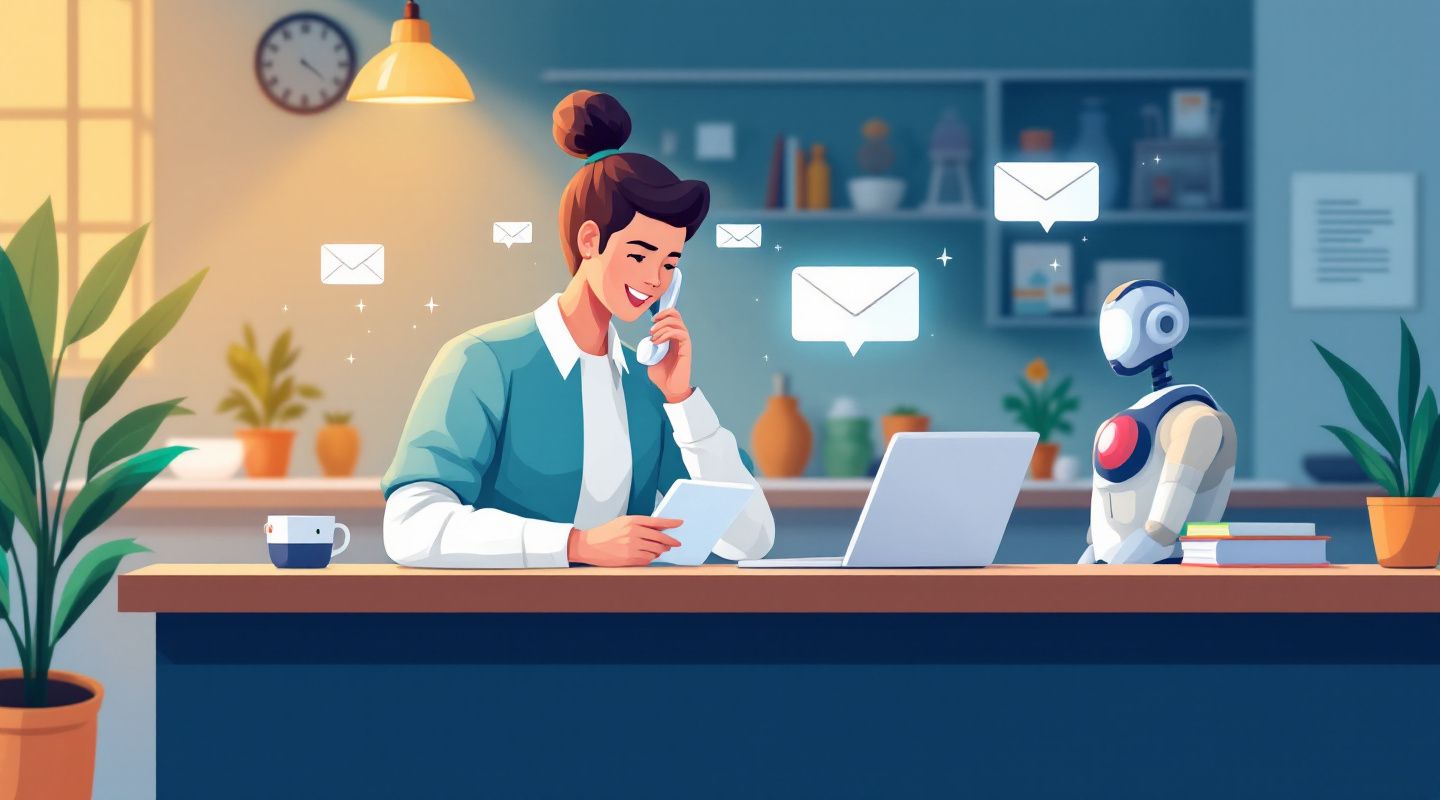
Rather than viewing AI chatbots as a threat to human workers, it is essential to recognize the potential for collaboration between humans and AI.
By leveraging the strengths of both humans and chatbots, businesses can create more efficient and effective customer service experiences. Human employees can focus on tasks that require empathy, critical thinking, and problem-solving skills, while chatbots can handle routine inquiries and provide instant support.
As AI chatbots continue to evolve and become more prevalent in the workplace, it is crucial for individuals and organizations to adapt and prepare for the future. This may involve investing in training and education programs to help workers develop the skills needed to work alongside AI technologies. Governments and policymakers will also need to address the potential impact of AI on job markets and develop strategies to support workers during this transition.
The rise of AI chatbots presents both challenges and opportunities for job markets. While there is a risk of job displacement in certain industries, chatbots also have the potential to create new employment opportunities and enhance collaboration between humans and AI.
By embracing these changes and preparing for the future, we can harness the power of AI chatbots to improve customer experiences and drive business growth, while ensuring that human workers remain a vital part of the equation.
Written by

If you are ready to move from research to implementation, we can help map the right AI system around your tools, data, team, and goals.