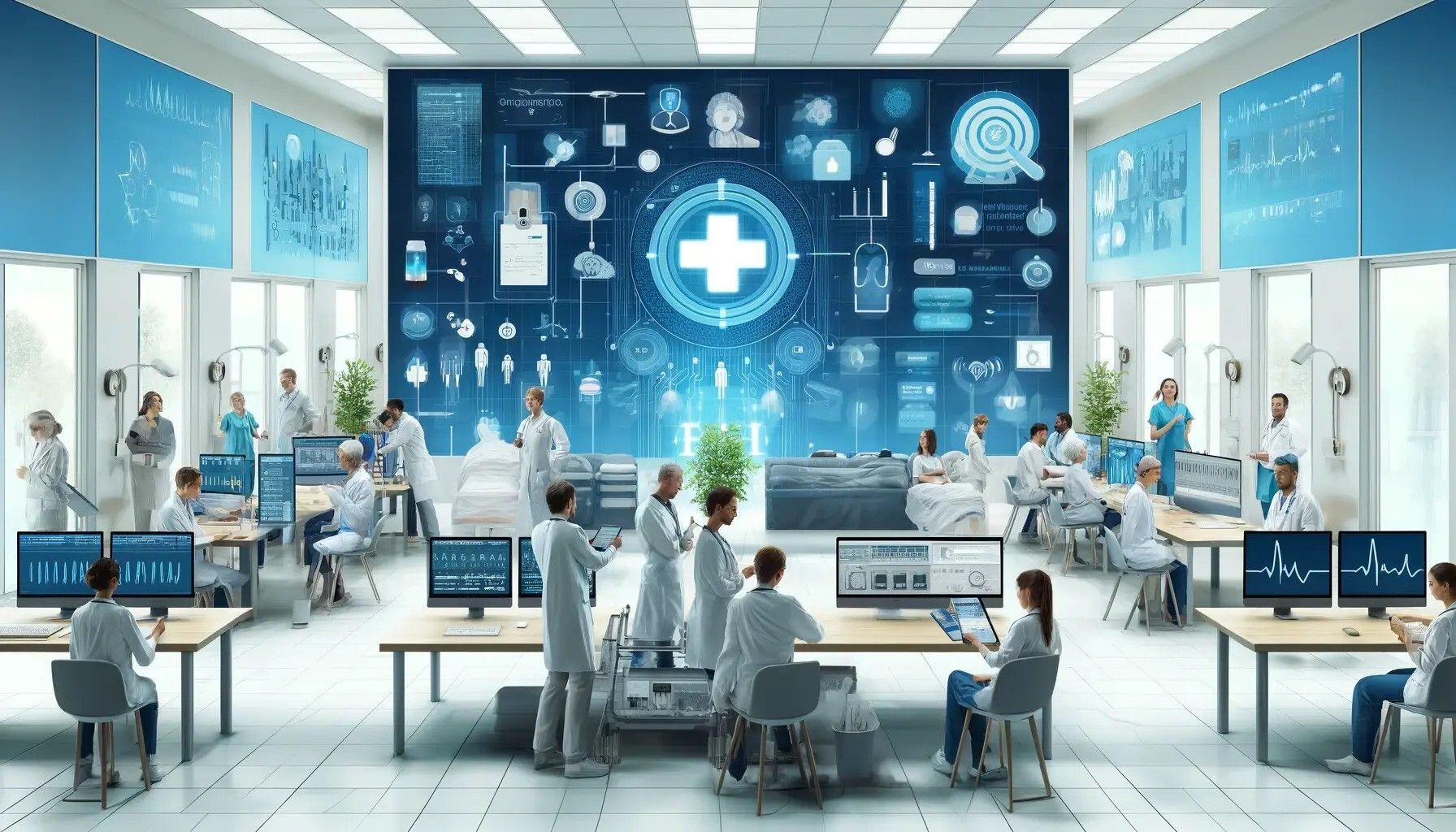
In today's fast-paced healthcare environment, clinicians are often faced with numerous challenges that can lead to inefficiencies and increased levels of burnout. Streamlining clinical workflows is crucial for enhancing efficiency, improving patient care, and reducing the burden on healthcare professionals.
In this blog post, we will explore various strategies and technologies that can help optimize clinical workflows and create a more sustainable and productive healthcare system.
Implementing Electronic Health Records (EHRs)
EHRs have revolutionized the way patient information is stored, accessed, and shared. By digitizing medical records, clinicians can quickly retrieve and update patient data, reducing the time spent on administrative tasks and minimizing the risk of errors.
EHRs also facilitate better communication among healthcare providers, leading to improved care coordination and patient outcomes.
Leveraging Artificial Intelligence (AI) and Machine Learning (ML)
AI and ML technologies have the potential to significantly streamline clinical workflows by automating repetitive tasks and providing intelligent decision support. For example, AI-powered tools can analyze medical images, assist in diagnosis, and generate personalized treatment plans.
These technologies can also help identify high-risk patients and alert clinicians to potential complications, enabling proactive interventions and reducing the likelihood of adverse events.
Optimizing Appointment Scheduling and Patient Flow
Inefficient appointment scheduling and patient flow can lead to long wait times, overcrowded waiting rooms, and increased stress for both patients and healthcare providers. Implementing intelligent scheduling systems that consider factors such as patient acuity, provider availability, and resource constraints can help optimize patient flow and reduce wait times. Additionally, utilizing patient portals and automated reminder systems can improve patient engagement and reduce no-shows.
Promoting Interprofessional Collaboration and Communication
Effective collaboration and communication among healthcare professionals are essential for streamlining clinical workflows and delivering high-quality patient care. Implementing secure messaging platforms and collaborative tools can facilitate real-time information sharing, consultation, and decision-making. Regular multidisciplinary team meetings and huddles can also help align goals, clarify roles and responsibilities, and foster a culture of teamwork and mutual support.
Investing in Staff Training and Support
Providing ongoing training and support to healthcare professionals is crucial for ensuring the successful adoption and utilization of new technologies and workflows. Offering targeted education programs, hands-on workshops, and mentorship opportunities can help clinicians develop the skills and confidence needed to navigate evolving healthcare systems. Additionally, implementing wellness programs and support services can help mitigate the risk of burnout and promote a healthy work-life balance.
Continuously Evaluating and Improving Processes
Streamlining clinical workflows is an ongoing process that requires continuous evaluation and improvement. Regularly soliciting feedback from healthcare professionals, patients, and other stakeholders can help identify areas for optimization and inform data-driven decision-making.
Conducting periodic workflow assessments, analyzing performance metrics, and implementing quality improvement initiatives can help ensure that clinical workflows remain efficient, effective, and aligned with evolving healthcare needs.
Conclusion
Streamlining clinical workflows is a critical step towards enhancing efficiency, improving patient care, and reducing burnout among healthcare professionals. By leveraging technology, optimizing processes, fostering collaboration, and investing in staff support, healthcare organizations can create a more sustainable and resilient healthcare system that benefits both patients and providers alike.