May 20, 2026
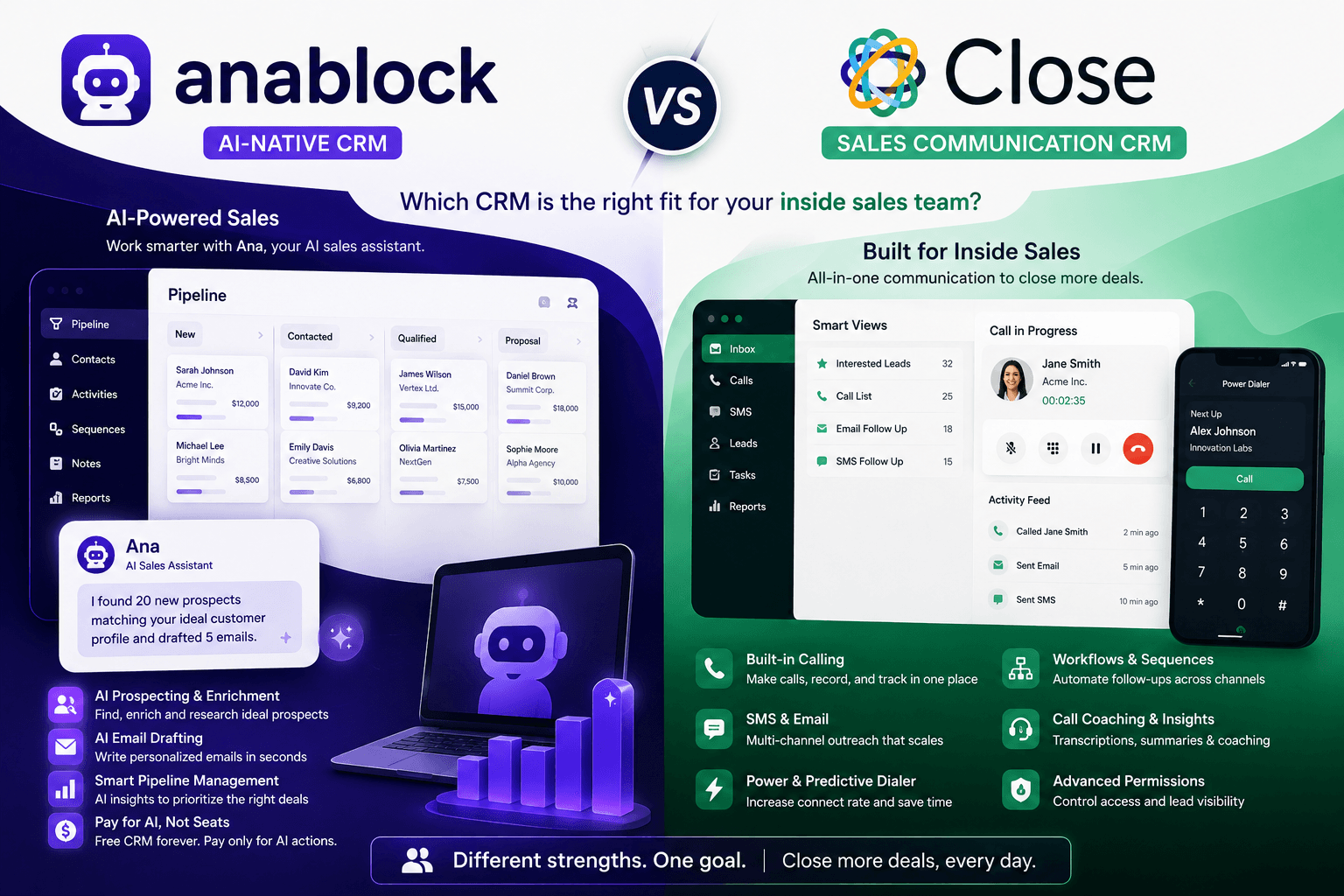
A practical comparison of Anablock and Close CRM for inside sales teams, covering AI features, built-in calling, SMS, dialers, pricing, workflows, and which platform is the better fit for different sales motions.
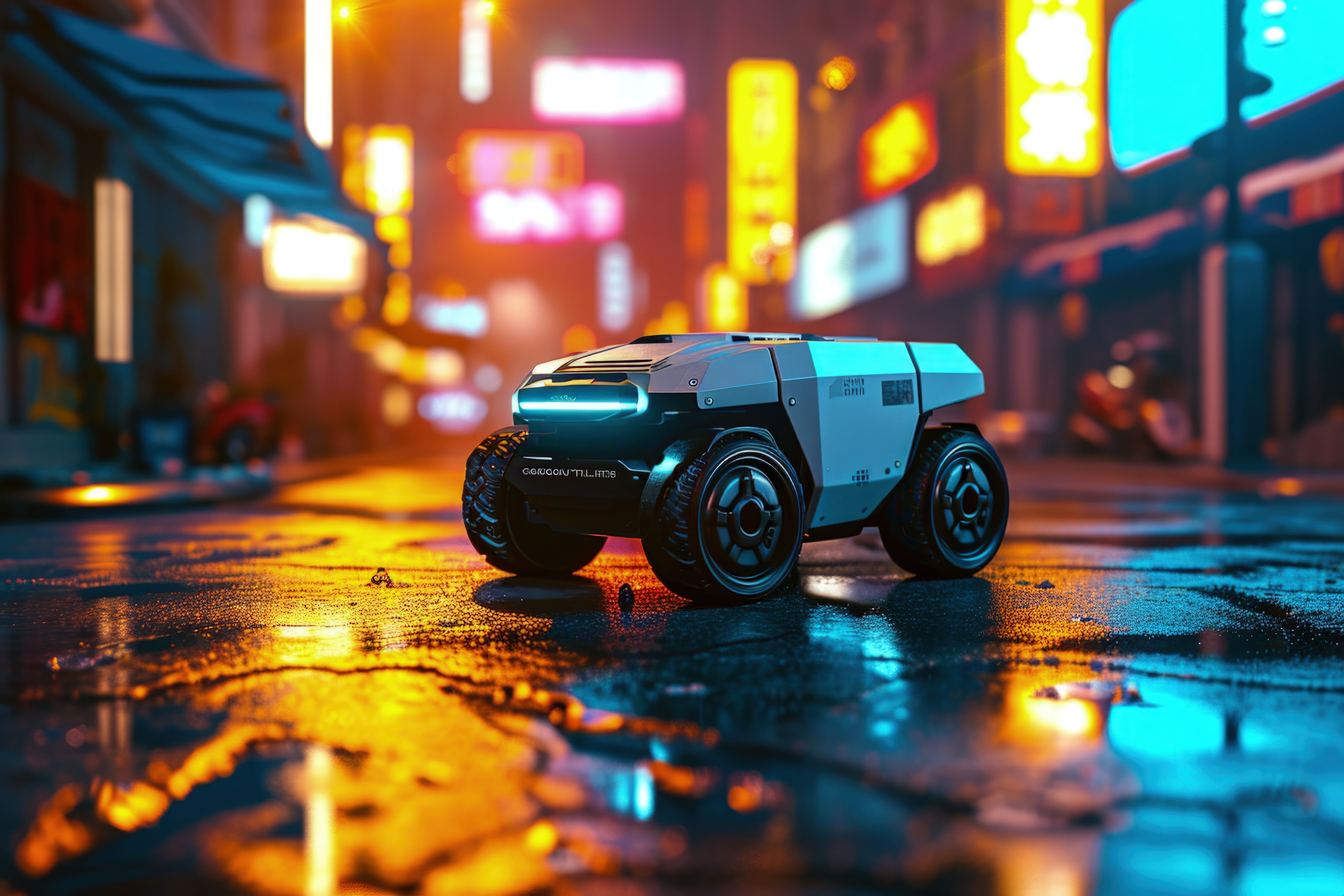 Imagine a world where your package arrives minutes after ordering, descending gently from the sky like a futuristic gift from above. This isn't a scene from a sci-fi movie; it's the rapidly approaching reality of autonomous drone delivery. As we stand on the cusp of this technological revolution, Anablock will explore how these flying couriers are set to transform the landscape of delivery services.
Autonomous drones, also known as unmanned aerial vehicles (UAVs), are aircraft operated without a human pilot on board. These high-tech marvels are equipped with advanced sensors, GPS systems, and artificial intelligence that allow them to navigate and deliver packages with minimal human intervention.
The concept of using drones for delivery isn't new. Amazon made headlines back in 2013 when Jeff Bezos announced plans for drone delivery. However, it's companies like Wing (a subsidiary of Alphabet, Google's parent company) and Zipline that are currently leading the charge in making drone delivery a widespread reality.
Did You Know? Drone delivery services are currently being used or tested in at least 26 countries worldwide.
The process of autonomous drone delivery is a marvel of modern technology. Here's a simplified step-by-step breakdown:
Safety is paramount in drone operations. Companies must adhere to strict regulations set by aviation authorities like the Federal Aviation Administration (FAA) in the United States. These rules cover aspects such as maximum altitude, no-fly zones, and remote pilot certification.
The advantages of drone delivery are numerous and compelling:
Speed and Efficiency: Drones can deliver packages in a fraction of the time it takes traditional methods, especially in urban areas with traffic congestion.
Cost-effectiveness: While initial setup costs are high, drone delivery can significantly reduce long-term operational costs associated with human drivers and vehicle maintenance.
Environmental Impact: Electric drones produce zero emissions during flight, contributing to a reduction in carbon footprint compared to traditional delivery vehicles.
Accessibility: Drones can reach remote or hard-to-access areas, improving delivery services to rural communities or during natural disasters.
Despite the promising benefits, the drone delivery industry faces several hurdles:
Privacy and Security: Concerns about drones capturing unauthorized footage or being used for surveillance need to be addressed.
Air Traffic Management: As more drones take to the skies, managing air traffic becomes increasingly complex.
Weather Limitations: High winds, heavy rain, or extreme temperatures can ground drone operations.
Public Perception: Some people may be uncomfortable with drones flying over their properties or concerned about noise pollution.
Wing, a leader in drone logistics, has been making significant strides in the field. Their "Beyond the Aisle" report highlights the potential of drone delivery to transform industries beyond just grocery and retail.
In an exciting development, Wing has partnered with Serve Robotics to explore autonomous robot-to-drone deliveries. This collaboration could create a seamless delivery network from warehouse to doorstep, combining the efficiency of ground robots for last-mile delivery with the speed and range of drones.
Another company making waves is Zipline. After a decade of development, Zipline is poised to launch widespread drone delivery services in the United States in 2024. With new technology and FAA exemptions, Zipline is set to redefine package delivery, especially for time-sensitive items like medical supplies.
As we look to the future, the potential for growth in the drone delivery industry is enormous. Experts predict a significant expansion of services and capabilities:
Integration with Other Systems: The partnership between Wing and Serve Robotics hints at a future where various autonomous systems work together seamlessly.
Improved Technology: Advancements in battery life, AI, and materials science will lead to drones with greater range, payload capacity, and intelligence.
Regulatory Progress: As the industry matures, we can expect more comprehensive and accommodating regulations to facilitate widespread drone delivery operations.
Expanded Applications: Beyond retail and groceries, drones could revolutionize fields like healthcare, with rapid delivery of medical supplies and lab samples.
The sky is no longer the limit – it's the new frontier for delivery services. Autonomous drones are poised to transform how we receive goods, offering speed, efficiency, and sustainability that traditional methods can't match. As this technology continues to evolve and overcome challenges, we're witnessing the dawn of a new era in logistics and delivery.
As autonomous drones continue to reshape the delivery landscape, stay curious and open to these innovations. The next time you hear a gentle buzz overhead, look up – your future might be arriving from the sky! Share your thoughts on drone delivery in the comments below, and let's discuss how this technology could change our world.