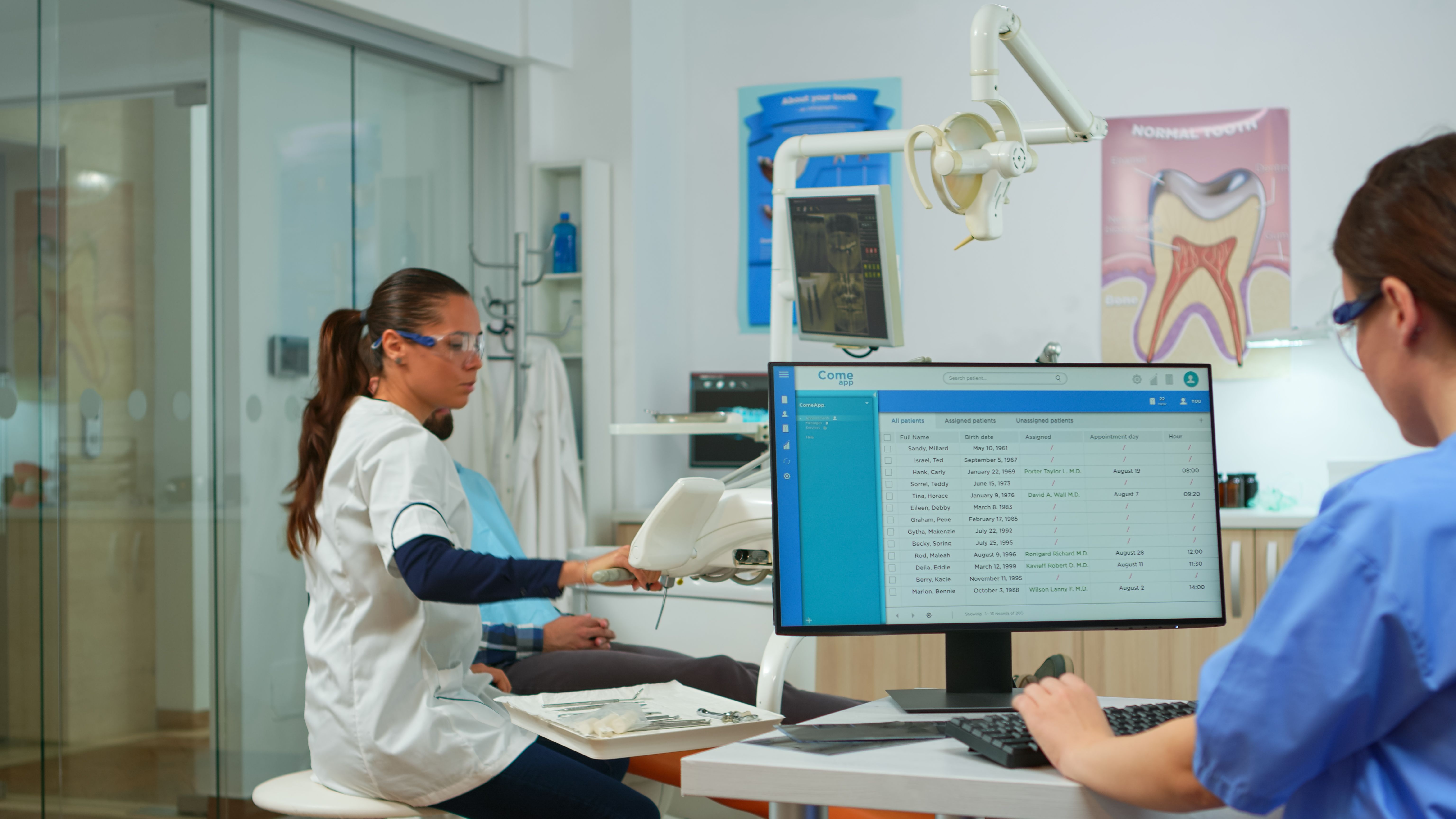
 Imagine walking into your dental clinic and being greeted by not just the friendly staff but also by a future where unexpected dental emergencies are a thing of the past. This isn't a scene from a sci-fi movie; it's the reality that predictive analytics is creating in dentistry today. At the heart of this transformation is the innovative work of companies like Anablock, which are quietly revolutionizing how we approach dental care and treatment planning.
Understanding Predictive Analytics in Dentistry
What is Predictive Analytics?
In simple terms, predictive analytics uses historical data, statistical algorithms, and machine learning techniques to forecast future outcomes. In the context of dentistry, it means analyzing vast amounts of patient data to predict dental issues before they escalate.
The Role of Data in Modern Dentistry
Every patient visit, dental procedure, and treatment outcome generates valuable data. By harnessing this data, dentists can anticipate patient needs, tailor treatment plans, and even prevent certain dental conditions from worsening.
Anablock's Contribution
Without delving too deep into technical jargon, it's worth noting that Anablock is pioneering the integration of predictive analytics into dentistry. Our solutions are making it easier for dentists to access and interpret data, leading to better patient care.
Key Benefits of Predictive Analytics in Dentistry
- Anticipating Patient Needs: Imagine being able to predict a patient's risk of developing cavities or gum disease and intervening early. Predictive analytics makes this possible.
- Optimizing Treatment Plans: Data-driven insights allow for more personalized and effective treatment plans, ensuring that each patient receives the care they need.
- Enhancing Patient Satisfaction: When dental issues are addressed proactively, patients enjoy better health outcomes and a more positive healthcare experience.
Real-World Applications and Success Stories
Through anonymized case studies, we see how predictive analytics has transformed dental practices. From reducing the incidence of periodontal disease to optimizing orthodontic treatment timelines, the potential is limitless. Anablock's technology has been instrumental in several of these success stories, showcasing the practical application of their solutions in everyday dental care.
How Dentists Can Implement Predictive Analytics
Getting Started: The first step is embracing the digital transformation. This means digitizing patient records and investing in analytics software.
Choosing the Right Partner: Not all technology partners are created equal. Look for companies like Anablock, which specialize in dental analytics and offer tailored support.
Overcoming Challenges
While the benefits are clear, adopting predictive analytics comes with its set of challenges. Privacy concerns, data accuracy, and the need for a cultural shift within practices are among the top issues. However, with robust data protection measures, a commitment to quality data, and an openness to innovation, these challenges can be navigated successfully.
Conclusion
Predictive analytics in dentistry is more than just a buzzword; it's a pathway to enhanced patient care, optimized treatment plans, and a future where dental emergencies are significantly reduced. As we've seen, companies like Anablock are leading the charge, but the journey doesn't end with technology providers. It requires a collective effort from the entire dental community to embrace and implement these changes.
Whether you're a dental professional curious about the possibilities or a patient interested in how predictive analytics can improve your care, we encourage you to explore further. Contact us to discover how our solutions can benefit your practice or care regimen. Together, let's take a step towards a smarter, more predictive future in dentistry!