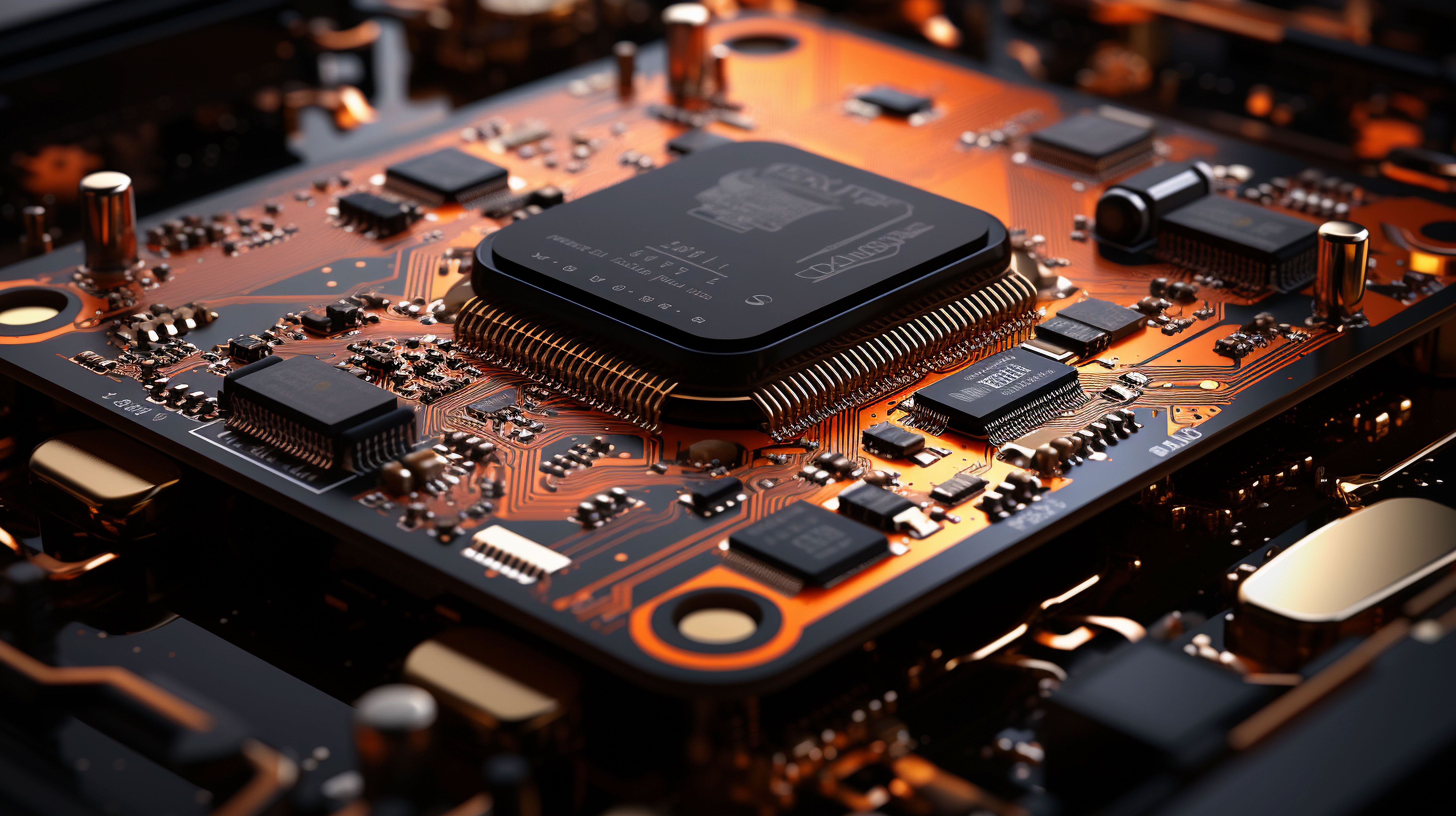
 In a groundbreaking development that's sending ripples through the tech industry, Meta has quietly begun testing its first in-house AI training chip. This strategic move marks a significant shift in the company's approach to artificial intelligence and poses a direct challenge to Nvidia's longstanding dominance in the AI chip market.
The Dawn of a New Era in AI Hardware
Meta's journey into custom chip development represents more than just a technological advancement – it's a declaration of independence from traditional hardware constraints. The company has partnered with Broadcom to create this revolutionary RISC-V based AI training accelerator, with TSMC handling the manufacturing process. This collaboration of tech giants signals a new chapter in the AI hardware landscape.
Understanding the Innovation
At its core, Meta's new chip employs a systolic array architecture, specifically designed for AI training tasks. While the complete specifications remain under wraps, this architecture choice suggests a focus on efficient parallel processing – crucial for handling the massive datasets required in AI training. The use of RISC-V architecture, an open-standard instruction set, demonstrates Meta's commitment to flexibility and customization in their hardware solutions.
The Strategic Advantage
Meta's decision to develop its own AI training chip stems from several strategic considerations. First, it reduces the company's dependence on external suppliers, particularly Nvidia, whose GPUs have become increasingly expensive and difficult to secure. Second, custom hardware allows Meta to optimize performance specifically for their AI applications, from recommendation systems to their advanced AI chatbots.
Impact on the AI Landscape
This development could fundamentally alter the AI industry's power dynamics. As one of the world's largest tech companies charts its own course in AI hardware, we might see a domino effect of other major players following suit. The potential implications include:
- More competitive pricing in the AI chip market
- Accelerated innovation in custom AI hardware
- Greater diversity in AI processing solutions
- Improved accessibility to AI training capabilities
Real-World Applications
Meta's custom chip isn't just about technical specifications – it's about enabling new possibilities in AI applications. The company plans to gradually increase the chip's usage across its vast network of services, potentially improving everything from content recommendations to virtual reality experiences. This measured approach ensures reliability while pushing the boundaries of what's possible in AI processing.
Looking to the Future
The success of Meta's AI chip could herald a new era where tech companies increasingly opt for custom silicon solutions. This shift might accelerate the democratization of AI technology, making advanced AI capabilities more accessible and affordable for businesses of all sizes.
The Road Ahead
As Meta continues testing and refining its AI training chip, the tech world watches with keen interest. The initial results will likely influence not just Meta's future hardware strategy but the entire industry's approach to AI processing solutions. If successful, this could mark the beginning of a more diverse and competitive AI hardware ecosystem.