
October 23, 2026
A practical guide for founders and small teams on building a simple, AI assisted support system without hiring a dedicated support department.
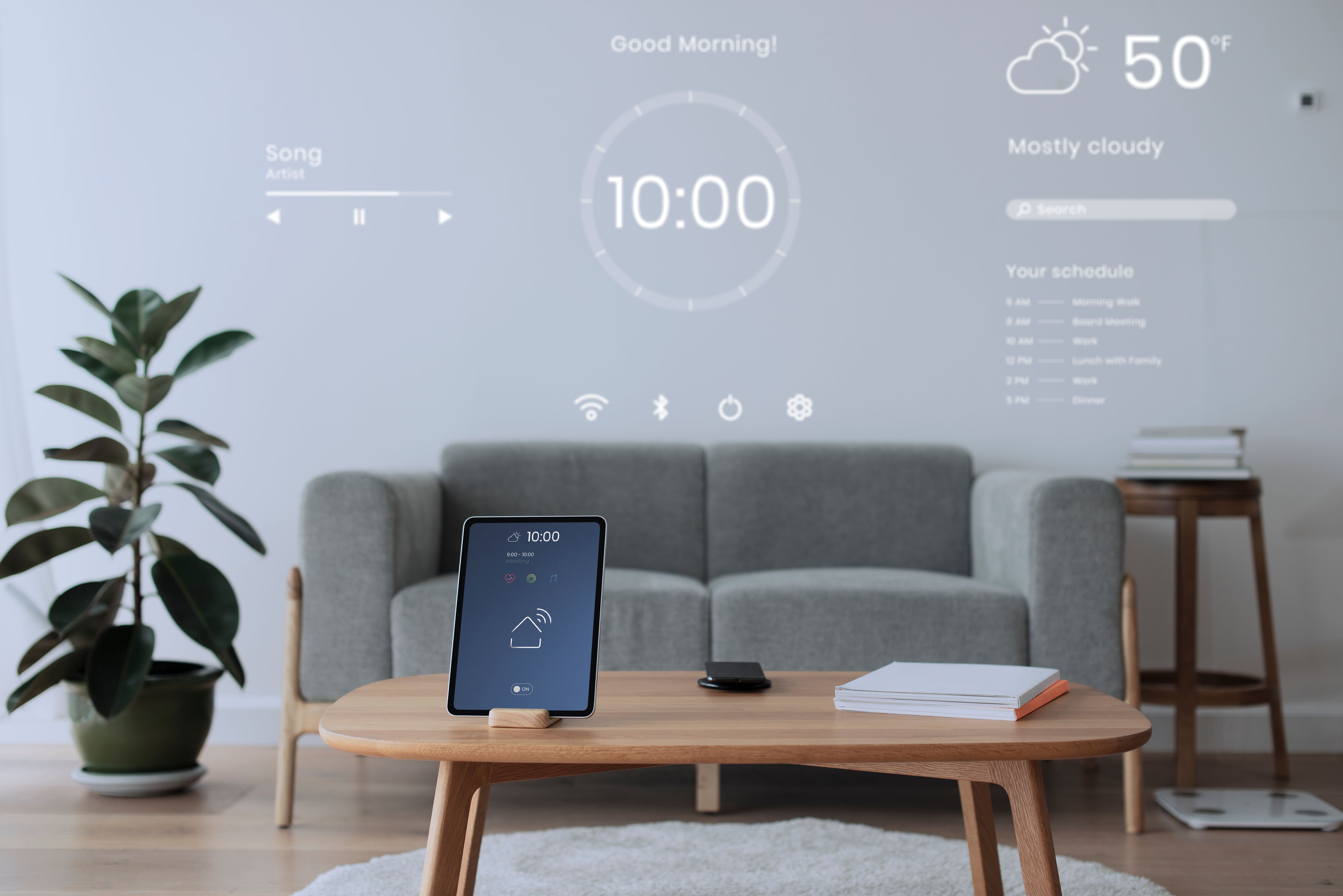 The convergence of chatbot technology and the Internet of Things (IoT) is revolutionizing how we interact with our living spaces. As smart homes become increasingly common, integrating conversational AI with connected devices opens up new possibilities for convenience, efficiency, and personalized experiences. Let's explore how the marriage of chatbots and IoT transforms our homes and daily lives.
Chatbots serve as an intuitive, natural language interface for controlling and monitoring IoT devices. Instead of navigating multiple apps or struggling with complex control panels, users can simply talk or text their requests to a central AI assistant. This conversational approach makes smart home technology more accessible and user-friendly, especially for those who may be less tech-savvy.
By integrating chatbots with IoT devices, users can effortlessly control their smart home ecosystems. Whether it's adjusting the thermostat, dimming the lights, or locking the doors, a simple voice command or text message to the chatbot can get the job done. Moreover, chatbots can learn user preferences over time, automating routines and anticipating needs for a truly personalized smart home experience.
Chatbots integrated with IoT can play a crucial role in energy conservation. By analyzing data from smart meters and connected appliances, chatbots can provide real-time insights on energy consumption. They can offer suggestions for reducing energy use, automatically adjust settings for optimal efficiency, and even notify users about potential issues like a running appliance when no one's home.
The combination of chatbots and IoT devices significantly enhances home security. Users can check security camera feeds, control smart locks, and receive alerts about unusual activities through conversational interfaces. In case of emergencies, chatbots can quickly provide relevant information and take necessary actions, such as contacting authorities or triggering alarm systems.
Chatbots can leverage data from various IoT sensors to create personalized environments that cater to individual preferences and needs. For instance, they can adjust lighting and temperature based on personal routines, suggest ideal sleeping conditions, or even remind users to take breaks and stretch during long work-from-home sessions.
By constantly monitoring connected devices, chatbots can detect potential issues before they become serious problems. They can alert users about necessary maintenance, provide troubleshooting guidance, and even schedule professional services when needed. This proactive approach can extend the lifespan of devices and prevent costly repairs.
Integrating chatbots with smart appliances like refrigerators can revolutionize household inventory management. Chatbots can keep track of grocery levels, suggest recipes based on available ingredients, and even place orders automatically when supplies run low. This seamless integration of AI and IoT simplifies daily tasks and reduces waste.
For elderly or differently-abled individuals, the combination of chatbots and IoT can provide invaluable support for independent living. Voice-activated assistance for controlling home devices, medication reminders, and emergency alert systems can significantly enhance safety and quality of life. Chatbots can also keep family members informed about their loved ones' well-being through regular updates and alerts.
Looking ahead, we can expect even more sophisticated integration of chatbots and IoT in our homes:
The integration of chatbots with IoT is transforming our homes into more intelligent, responsive, and user-friendly environments. As this technology continues to evolve, we can look forward to smart homes that not only respond to our commands but anticipate our needs, adapt to our preferences, and enhance our overall quality of life.
While challenges remain, particularly in areas of privacy and interoperability, the potential benefits of this integration are immense. As we move forward, the key will be to harness these technologies in ways that truly enrich our daily lives while respecting individual privacy and autonomy.
Written by

If you are ready to move from research to implementation, we can help map the right AI system around your tools, data, team, and goals.