
June 23, 2026
Everything you need to know about Anthropic's Claude Certified Architect – Foundations (CCA-F) certification: exam structure, five domains, scenario types, and how to prepare for production-scale Claude application design.
 Between juggling work, family, and the constant ping of notifications, who has time for hour-long meditation sessions or elaborate spa days? But the game-changer is here - Healthtech. These smart devices and apps are turning the art of self-care into a science, making it as easy as checking your phone (which, let's be honest, you're probably doing right now).
From wearables that whisper sweet nothings about your sleep quality to AI-powered nutrition coaches that know your diet better than you do, technology is rewriting the rules of wellness. But here's the million-dollar question: Are these high-tech helpers really the key to unlocking our best selves, or are we just outsourcing our intuition to algorithms? Buckle up, wellness warriors—we're about to take a deep dive into the brave new world where self-care meets silicon valley.
Self-care is the practice of taking action to preserve or improve one's health, well-being, and happiness, particularly during periods of stress. In our increasingly digital world, where the lines between work and personal life often blur, prioritizing self-care has become essential for maintaining balance and preventing burnout.
The rise of HealthTech has transformed how we approach self-care. These innovative devices and applications provide us with data-driven insights into our health, allowing us to make informed decisions and take proactive steps towards wellness. From tracking our sleep patterns to monitoring our heart rate, technology has become an integral part of our self-care routines.
Historically, self-care practices have ranged from simple activities like taking a relaxing bath to more structured approaches like meditation or yoga. While these traditional methods remain valuable, the integration of technology has opened up new possibilities for enhancing our well-being. The HealthTech revolution began with basic step counters and has rapidly evolved to include sophisticated wearables, smart home devices, and AI-powered health assistants. This evolution has democratized access to health information and personalized wellness strategies, making it easier for individuals to take control of their health journey.
Wearable devices have become ubiquitous in the world of personal health management. These sleek, unobtrusive gadgets offer a wealth of information about our bodies and behaviors.
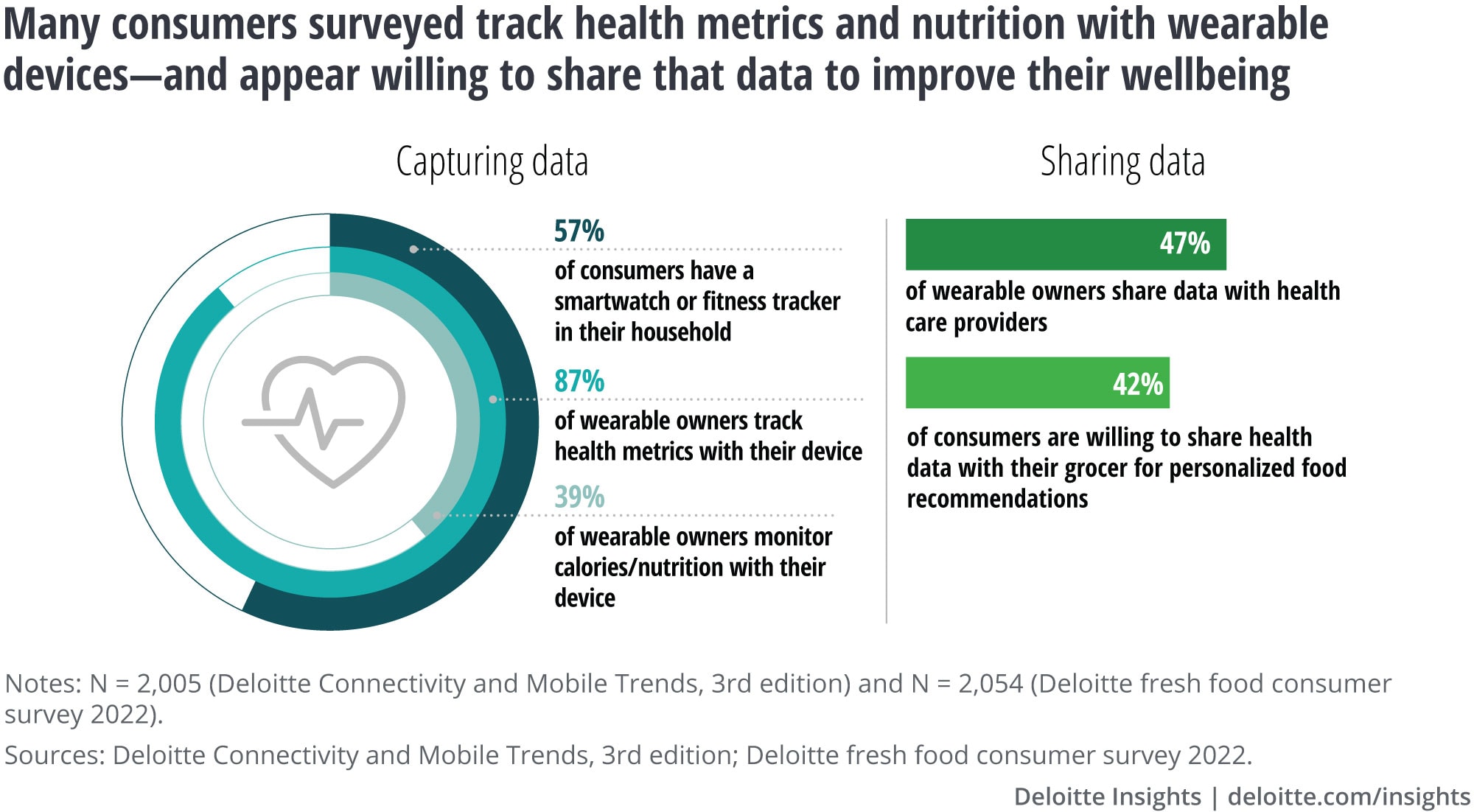
Fitness trackers and smartwatches have led the charge in this category. According to recent statistics, 57% of consumers own a smartwatch or fitness tracker, with 87% of these users actively tracking health metrics. These devices can monitor everything from steps taken and calories burned to heart rate variability and blood oxygen levels.
Sleep monitoring devices have also gained popularity, helping users understand their sleep patterns and quality. By providing insights into sleep cycles and duration, these devices enable users to make informed decisions about their sleep habits and environment. Stress tracking technology is another significant advancement. By monitoring physiological indicators like heart rate and skin conductance, these devices can alert users to rising stress levels and suggest relaxation techniques in real-time.
The explosion of mobile health apps has put a wealth of wellness resources in our pockets. These apps cover a wide range of health and wellness aspects:
Did You Know? In 2024, over 75% of U.S. adults reported using health applications to track exercise, fitness, and heart rate.
The concept of wellness has expanded beyond our bodies to encompass our living environments. Smart home devices are playing an increasingly important role in creating spaces that promote health and well-being:
While HealthTech offers numerous benefits, it's important to maintain a balance between technological assistance and mindful, unplugged self-care practices. The concept of "digital detox" has gained traction as people recognize the need to disconnect from devices periodically to reduce stress and improve mental well-being.
Integrating tech-based and traditional self-care methods can create a holistic approach to wellness. For example, using a meditation app to guide your practice, but then taking time to reflect without technology, can provide the benefits of both worlds.
HealthTech devices have undoubtedly redefined self-care, offering us unprecedented insights into our health and empowering us to make informed decisions about our well-being. From wearables that track our every move to apps that guide our mental health, technology has become an invaluable ally in our quest for better health.
However, it's crucial to remember that these devices are tools to enhance, not replace, our intuition and connection with our bodies. The most effective self-care routines combine the precision of technology with the wisdom of traditional practices and the irreplaceable human touch.