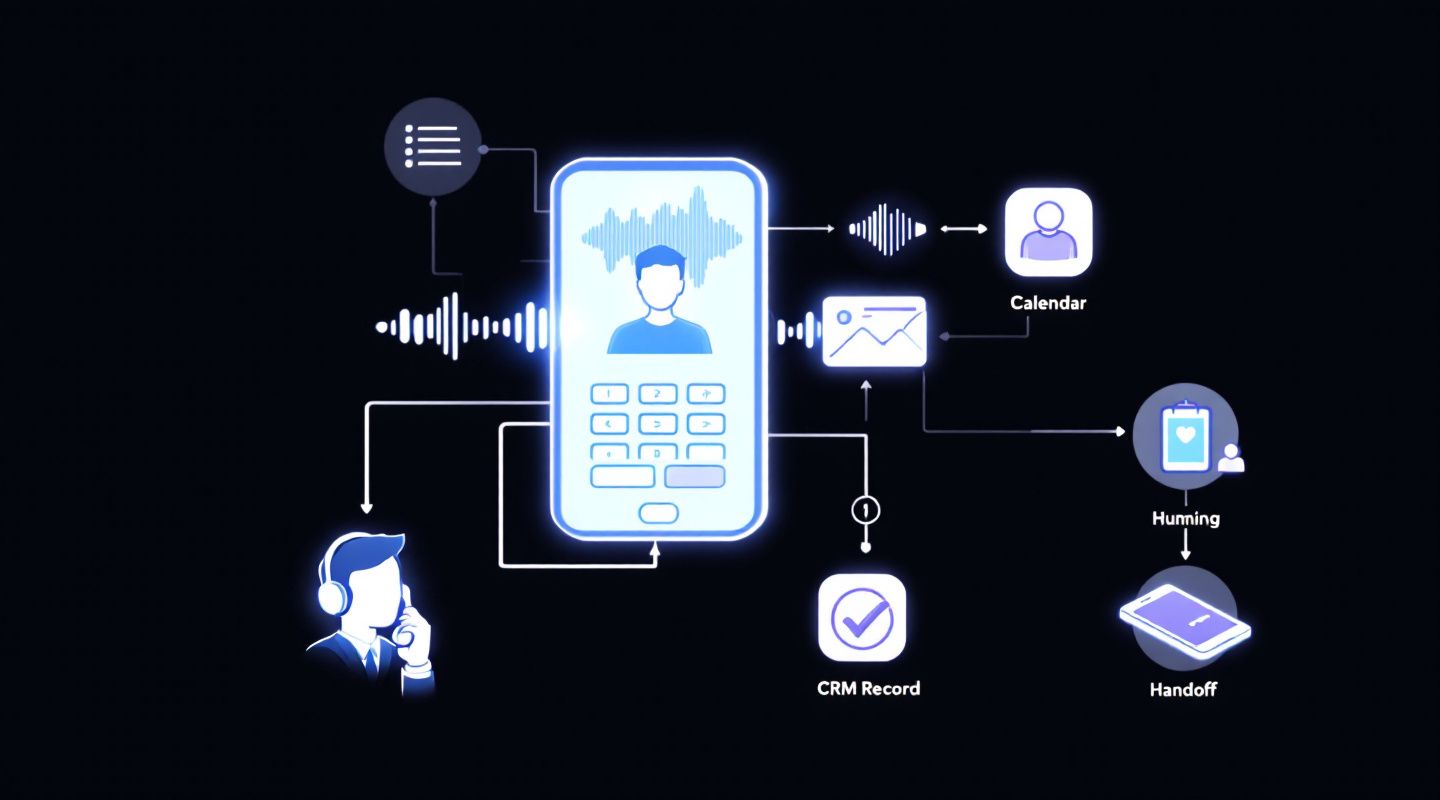
In the ever-evolving world of online retail, providing an exceptional customer experience is paramount. As e-commerce continues to grow, businesses are turning to innovative technologies to stay ahead of the curve.
One such technology that's revolutionizing the online shopping experience is conversational AI chatbots. These intelligent virtual assistants are transforming how customers interact with e-commerce platforms, offering personalized, efficient, and engaging shopping experiences.
The Rise of Conversational AI in E-commerce
Conversational AI chatbots have come a long way from their rudimentary beginnings. Today's AI-powered chatbots use advanced natural language processing (NLP) and machine learning algorithms to understand and respond to customer queries in a human-like manner. They can interpret context, remember previous interactions, and even anticipate customer needs.
Key Benefits of AI Chatbots in E-commerce
- 24/7 Customer Support: AI chatbots provide round-the-clock assistance, answering queries and resolving issues at any time, enhancing customer satisfaction.
- Personalized Shopping Assistance: By analyzing customer data and preferences, chatbots can offer tailored product recommendations and shopping advice.
- Streamlined Purchase Process: Chatbots can guide customers through the entire buying journey, from product selection to checkout, making the process smoother and more efficient.
- Instant Response to Inquiries: With AI chatbots, customers receive immediate responses to their questions about products, shipping, or returns, reducing wait times and improving the overall experience.
- Scalability: Unlike human customer service representatives, AI chatbots can handle multiple customer interactions simultaneously, making them ideal for handling high volumes of inquiries during peak shopping seasons.
Implementing Conversational AI in E-commerce
To successfully implement AI chatbots in an e-commerce setting, consider the following strategies:
- Define Clear Objectives: Determine what you want to achieve with your chatbot, whether it's improving customer service, increasing sales, or reducing cart abandonment rates.
- Understand Your Customers: Analyze customer data and common queries to ensure your chatbot can address the most frequent and important customer needs.
- Choose the Right Platform: Select a chatbot platform that integrates well with your existing e-commerce infrastructure and offers the features you need.
- Design Conversational Flows: Create natural, engaging conversation flows that guide customers through their shopping journey effectively.
- Continuous Learning and Improvement: Implement machine learning capabilities to allow your chatbot to improve its responses and effectiveness over time based on customer interactions.
Overcoming Challenges
While AI chatbots offer numerous benefits, there are challenges to consider:
- Maintaining a Human Touch: Ensure your chatbot can seamlessly transfer complex issues to human agents when necessary.
- Protecting Customer Privacy: Implement strong data protection measures to safeguard customer information collected during chatbot interactions.
- Managing Customer Expectations: Clearly communicate the capabilities and limitations of your chatbot to avoid frustration.
Real-World Success Stories
Many e-commerce giants have successfully implemented AI chatbots to enhance their customer experience. For instance, a leading online fashion retailer introduced an AI stylist chatbot that offers personalized fashion advice based on customer preferences and purchase history. This resulted in a 30% increase in average order value and a significant boost in customer engagement.
Another example is a major electronics e-commerce platform that implemented an AI chatbot for technical support. The chatbot successfully resolved 70% of customer queries without human intervention, leading to faster response times and improved customer satisfaction scores.
The Future of AI Chatbots in E-commerce
As AI technology continues to advance, we can expect even more sophisticated chatbot capabilities in the future:
- Enhanced Natural Language Understanding: Chatbots will become even better at interpreting complex customer queries and responding more naturally.
- Predictive Assistance: AI chatbots may proactively reach out to customers with personalized offers or assistance based on their browsing behavior.
- Voice-Activated Shopping: Integration with voice assistants could allow customers to shop entirely through voice commands.
- Augmented Reality Integration: Chatbots could guide customers through AR-powered virtual try-ons or product demonstrations.
Conclusion
Conversational AI chatbots are transforming the e-commerce landscape, offering personalized, efficient, and engaging shopping experiences. By providing 24/7 support, streamlining the purchase process, and offering tailored recommendations, these intelligent assistants are helping e-commerce businesses enhance customer satisfaction and drive sales.
As the technology continues to evolve, the potential for AI chatbots in e-commerce is boundless. Businesses that embrace this technology and effectively implement it into their online shopping platforms will be well-positioned to meet the ever-increasing expectations of digital consumers.
The key to success lies in striking the right balance between automation and human touch, ensuring that AI chatbots enhance rather than replace the human elements of customer service. With thoughtful implementation and continuous improvement, conversational AI chatbots can become a powerful tool in creating exceptional e-commerce experiences that keep customers coming back for more.