 In today's interconnected world, the ability to communicate across languages and cultures isn't just a luxury—it's a necessity. Imagine a world where AI understands not just your words, but your cultural context, local expressions, and unique way of communicating. This isn't a distant dream; it's the reality we're building in 2025 through inclusive AI chatbots.
The Evolution of AI Communication: Breaking Down Barriers
According to recent trends, AI chatbots are revolutionizing how businesses connect with their global audience. By 2025, these digital assistants are expected to handle 95% of customer interactions across multiple languages, making them an indispensable tool for global communication. The transformation we're witnessing isn't just about translation; it's about creating meaningful connections that transcend linguistic and cultural boundaries.
Did You Know? The most successful multilingual chatbots today support over 100 languages, enabling businesses to reach more than 80% of the world's population!
Understanding the Foundations of Inclusive AI
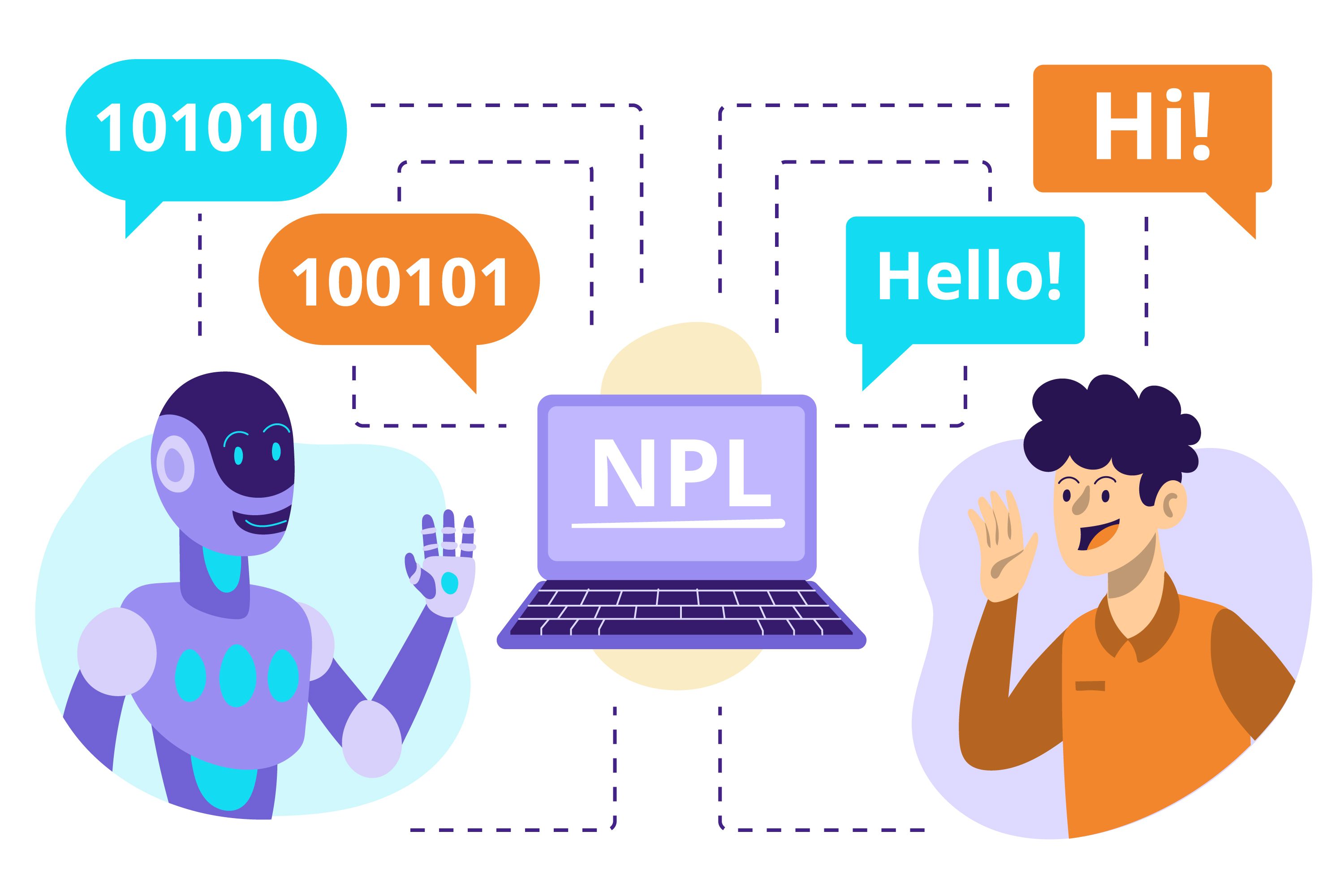
The journey toward truly inclusive AI begins with understanding two fundamental pillars: language processing capabilities and cultural intelligence. Modern Natural Language Processing (NLP) systems have evolved beyond simple translation to understand context, nuance, and cultural implications. These systems can now recognize dialects, accents, and even emotional undertones across different languages.
Cultural intelligence frameworks represent the second pillar of inclusive AI. These sophisticated systems adapt their responses based on cultural preferences, ensuring that interactions feel natural and appropriate regardless of the user's background. This cultural awareness extends beyond mere translation to encompass understanding of local customs, communication styles, and social norms.
Building Bridges Across Languages
The implementation of effective multilingual support requires a carefully considered approach. Successful chatbots employ automated language detection and dynamic translation capabilities while preserving context across languages. The key lies in maintaining the original meaning and intent while adapting the message to resonate with different cultural audiences.
Cultural Intelligence in Practice
Creating culturally aware chatbots goes beyond simple translation. It requires a deep understanding of how different cultures communicate, from direct versus indirect communication styles to appropriate levels of formality. Successful chatbots adapt their interaction patterns based on cultural context, using appropriate greetings, honorifics, and communication styles that reflect local customs and expectations.
Measuring Success and Ensuring Continuous Improvement
Success in inclusive AI implementation can be measured through various metrics, including user satisfaction rates across different languages, accuracy of language detection and translation, and cultural appropriateness scores. Regular monitoring and adjustment of these metrics ensure continuous improvement and adaptation to changing user needs.
Best Practices for Implementation
The development of inclusive AI chatbots requires careful planning and execution. The process begins with defining target languages and cultures, followed by selecting appropriate AI platforms and translation tools. Cultural sensitivity testing and real-world feedback from diverse user groups play crucial roles in refining and improving the system.
Future Trends and Innovations
Looking ahead, the future of inclusive AI holds exciting possibilities. Emerging technologies promise enhanced emotional intelligence across cultures, better understanding of regional dialects, and more sophisticated context awareness. These advances will further bridge the gap between human and machine communication.
Practical Steps for Success
Organizations implementing inclusive AI chatbots should begin with core languages and gradually expand their reach. Investment in cultural consultation proves invaluable, as does maintaining regular updates and collecting continuous user feedback. Staff training in cultural sensitivity ensures that human oversight remains culturally aware and appropriate.
Conclusion
The future of AI communication is inclusive, and the time to act is now. Begin by assessing your current communication needs and identifying target languages and cultures. Choose appropriate AI solutions and start with a pilot program. Remember that success comes through careful monitoring, learning, and adaptation.
The journey toward truly inclusive AI represents more than just a technological advancement—it's a step toward breaking down global communication barriers and fostering understanding between cultures. By implementing these strategies, organizations can create meaningful connections that transcend linguistic and cultural boundaries.