 Imagine coming home after a long day and being greeted by a robot that not only recognizes your mood but responds with genuine empathy. This scenario, once confined to the realm of science fiction, is rapidly becoming a reality thanks to the fascinating world of AI-powered robotics and emotional interaction.
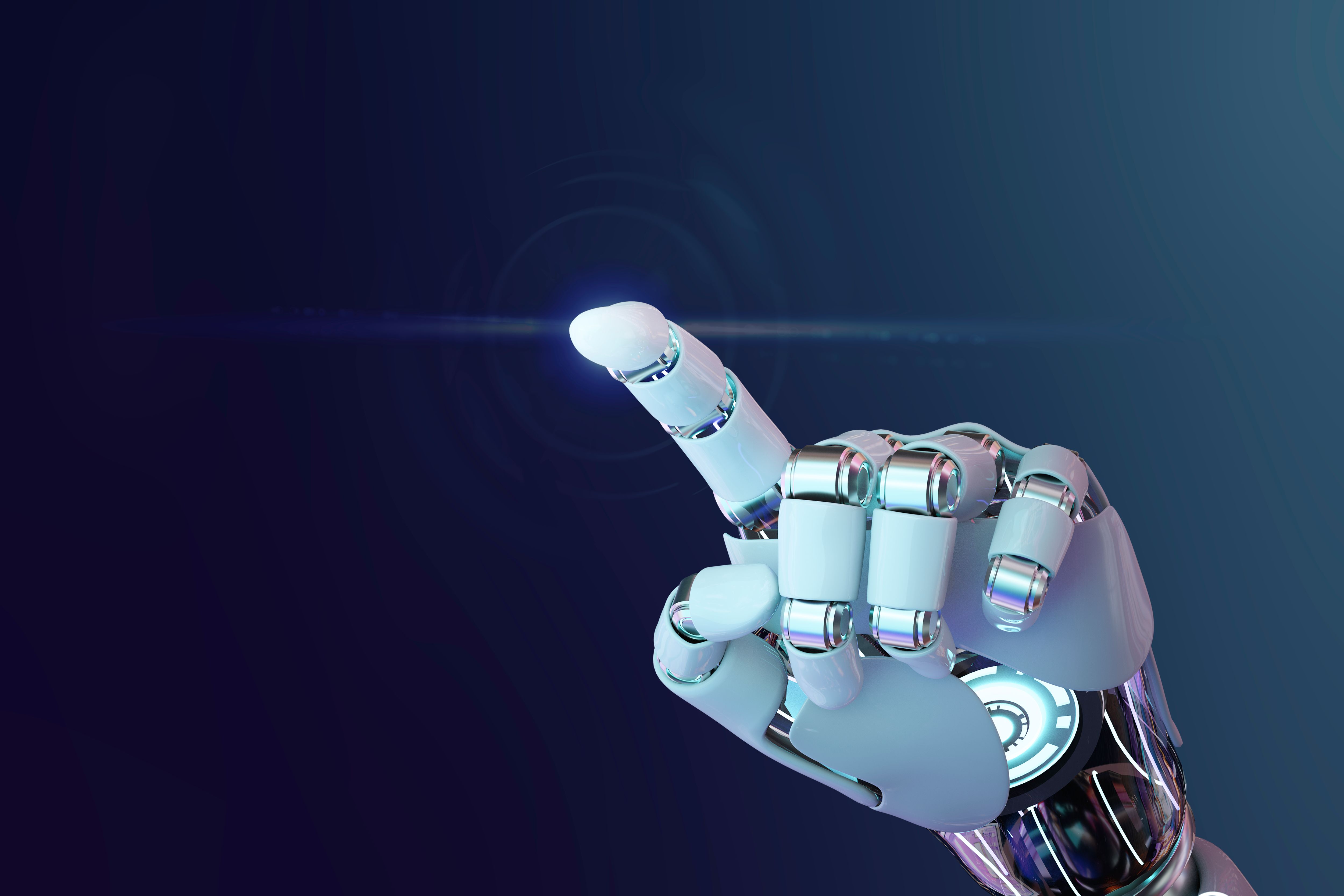
In recent years, the intersection of artificial intelligence (AI) and robotics has given birth to a new frontier: emotionally intelligent machines. These advanced robots are not just programmed to perform tasks; they're designed to understand, interpret, and even mimic human emotions. This breakthrough is revolutionizing the way we interact with technology and opening up exciting possibilities for the future.
The Evolution of AI and Robotics
The journey of AI and robotics has been nothing short of remarkable. From the early days of simple automated machines to today's sophisticated androids, the field has seen exponential growth. The emergence of emotional AI marks a significant milestone in this evolution.
Did You Know? The first emotionally intelligent robot, Kismet, was developed at MIT in the late 1990s.
Emotional AI represents a paradigm shift in robotics. Unlike traditional robots programmed to follow specific instructions, emotionally intelligent robots use advanced algorithms and neural networks to learn and adapt their responses based on human interactions. This ability to "learn" emotions is akin to how a child develops emotional intelligence through observation and experience.
Understanding Emotional AI in Robotics
So, how exactly do robots "learn" emotions? The process involves a complex interplay of machine learning, neural networks, and sophisticated sensors. These robots are equipped with cameras and microphones that capture facial expressions, voice intonations, and body language. Advanced AI algorithms then process this data to interpret human emotions and generate appropriate responses.
The challenges in creating emotionally intelligent robots are numerous. Emotions are complex and nuanced, often influenced by cultural and personal factors. Teaching a machine to understand the subtleties of human emotion is no small feat. However, recent studies have shown promising results. According to a study published in Frontiers in Robotics and AI, robots equipped with the ability to express emotions in real-time during interactions with humans are perceived as more likable, trustworthy, and human-like.
Applications of Emotionally Intelligent Robots
The potential applications for emotionally intelligent robots are vast and varied:
- Healthcare and Therapy: Robots are being used to assist in therapy sessions, particularly for children with autism. These robots can help teach emotional recognition and appropriate social responses in a non-threatening environment.
- Education and Childcare: Emotionally intelligent robots can serve as tutors or companions, adapting their teaching style based on a child's emotional state and learning pace.
- Customer Service and Hospitality: Hotels and retail stores are experimenting with emotionally intelligent robots to enhance customer experiences. These robots can gauge customer satisfaction and respond accordingly.
- Companionship for the Elderly: Robots are being developed to provide companionship and emotional support for elderly individuals, helping to combat loneliness and isolation.
- Entertainment and Gaming: The gaming industry is exploring the use of emotionally intelligent NPCs (Non-Player Characters) to create more immersive and realistic gaming experiences.
The Impact on Human-Robot Interaction
The development of emotionally intelligent robots is fundamentally changing the nature of human-robot interaction. By enhancing communication and building trust, these robots are becoming more accepted in various social settings. However, this advancement also raises important ethical considerations.
"How would you feel about interacting with a robot that can understand and respond to your emotions?"
This question touches on one of the core ethical debates surrounding emotional AI. While the technology offers numerous benefits, it also raises concerns about privacy, emotional manipulation, and the potential for humans to form unhealthy attachments to machines.
The Future of Emotional Robotics
As we look to the future, the potential of emotional robotics seems boundless. Emerging trends suggest that we'll see even more sophisticated emotional recognition and response systems. Some experts predict that future robots might not just recognize and respond to emotions, but actually experience emotions of their own – a development that would blur the lines between human and machine even further.
Did You Know? Some robots can now recognize human emotions with over 90% accuracy through facial expression analysis.
Conclusion
The field of AI-powered robotics and emotional interaction is advancing at a breathtaking pace, promising to transform various aspects of our lives. From healthcare to education, from customer service to personal companionship, emotionally intelligent robots are poised to play an increasingly significant role in our society.
As we stand on the brink of this new era in human-robot interaction, it's crucial to stay informed and engaged. Take a moment to reflect on how emotionally intelligent robots might impact your life or industry. How do you envision interacting with these advanced machines in the future? What ethical considerations do you think are most important as we develop this technology?