

September 21, 2026
This post breaks down seven complete business processes, from lead qualification to employee onboarding, that AI agents can own end-to-end without human hand-offs, freeing teams to focus on high-judgment work.
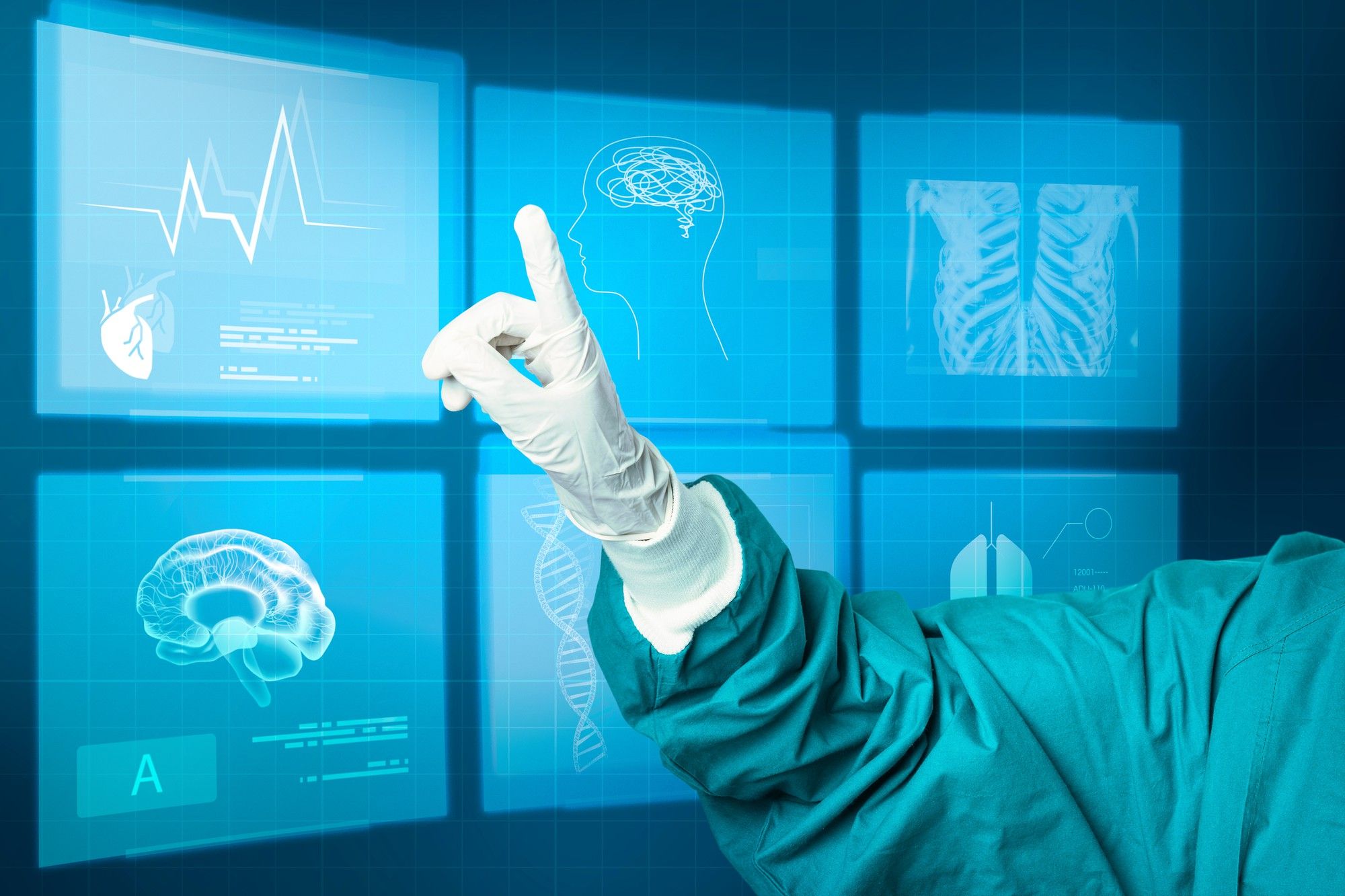 The healthcare landscape is undergoing a remarkable transformation, driven by artificial intelligence and predictive analytics. In an era where hospital readmissions have become a critical concern, innovative AI solutions are emerging as game-changers in patient care. Recent studies indicate that AI-powered predictive tools have the potential to revolutionize healthcare delivery, with some facilities reporting up to 40% reduction in readmission rates.
Healthcare providers have long grappled with the complex issue of patient readmissions. These incidents not only impact patient well-being but also strain healthcare resources and budgets. Traditional approaches to preventing readmissions often fall short, lacking the precision and foresight needed to identify at-risk patients effectively. However, the emergence of AI-driven predictive analytics has opened new possibilities for proactive patient care.
Consider the groundbreaking work at Johns Hopkins Hospital, where collaboration with Microsoft Azure AI has transformed patient care. By analyzing vast amounts of patient data, including electronic health records, medical imaging, and genomic information, their AI algorithms can now predict patient outcomes with remarkable accuracy. This capability allows healthcare providers to anticipate complications before they occur, tailoring interventions to each patient's specific needs.
The implementation of AI-powered predictive healthcare involves sophisticated systems that continuously monitor and analyze patient data. These systems work tirelessly to identify patterns and risk factors that might escape human observation. For instance, UnityPoint Health's success story demonstrates how predictive analytics can revolutionize patient care.
Their system analyzes various factors, including patient conditions, social determinants, and follow-up plans, enabling care teams to develop targeted interventions. The results speak for themselves – a remarkable 40% reduction in readmissions within just 18 months of deployment.
One of the most promising aspects of AI-powered healthcare is its integration with remote patient monitoring (RPM). Studies show that RPM initiatives have reduced hospital admissions by 38% and emergency room visits by 51%. Major health systems implementing these technologies have achieved patient satisfaction rates exceeding 90%. These systems allow healthcare providers to maintain continuous contact with patients, monitoring their conditions and intervening before minor issues escalate into emergencies.
Looking ahead to 2025, the adoption of AI in healthcare is set to accelerate dramatically. According to industry reports, 90% of hospitals will utilize AI technology for early diagnosis and remote monitoring. This widespread adoption reflects growing confidence in AI's ability to enhance patient care while reducing costs and improving operational efficiency.
For healthcare organizations considering AI implementation, success requires a thoughtful approach. Key considerations include:
The impact of AI-powered predictive healthcare extends beyond statistics. Healthcare providers report improved patient outcomes, reduced workload for medical staff, and significant cost savings. Patients experience greater peace of mind, knowing their health is being monitored continuously, while healthcare providers can allocate resources more efficiently.
As we move further into 2025, the integration of AI in healthcare continues to evolve. New applications are being developed, and existing systems are becoming more sophisticated. The future promises even greater advances in predictive capabilities, patient care customization, and healthcare delivery efficiency.
Written by

If you are ready to move from research to implementation, we can help map the right AI system around your tools, data, team, and goals.