
September 21, 2026
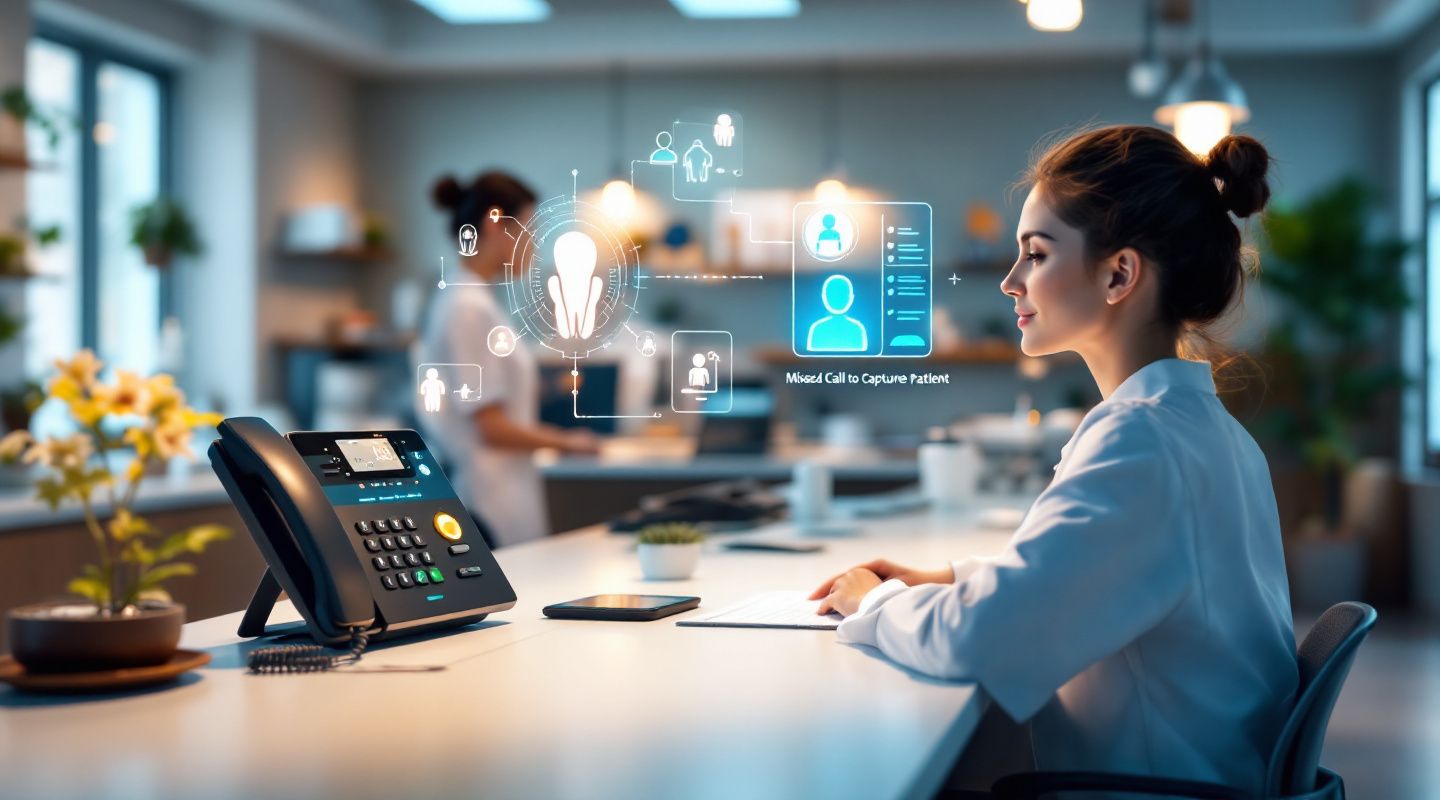
This post explains how AI voice agents can answer every call 24/7, capture patient information, and book appointments without replacing your existing front desk team.
 The integration of Artificial Intelligence (AI) into creative industries marks a paradigm shift in the production and consumption of art, music, and content.
This technological advancement is not merely augmenting existing processes; it is fundamentally altering the creative landscape. AI algorithms are now capable of generating visual art, composing music, and producing written content, challenging traditional notions of creativity and authorship. The impact of this revolution extends beyond the creative process itself, influencing market dynamics, copyright laws, and the very definition of artistic value.
AI-powered tools like DALL-E, Midjourney, and Stable Diffusion have opened up new possibilities in visual art creation. These systems can generate images from text descriptions, allowing artists to bring their wildest imaginations to life with unprecedented ease. This technology is not just a tool but a collaborator, offering new avenues for creative expression.
AI algorithms capable of applying the style of one image to another have revolutionized artistic experimentation. Artists can now blend styles, epochs, and techniques in ways previously unimaginable, creating unique hybrid artworks that challenge traditional categorizations.
AI is making its mark in music composition, with tools that can generate melodies, chord progressions, and even full compositions. While these AI composers aren't replacing human musicians, they're providing valuable inspiration and assisting in the creative process.
AI-powered production tools are streamlining the music creation process. From intelligent mixing and mastering to automated drum programming, these technologies are helping musicians achieve professional-quality sound more efficiently than ever before.
Streaming platforms leverage AI algorithms to curate personalized playlists and recommend new music to listeners. This technology is changing how we discover music and influencing the industry's approach to promotion and distribution.
AI writing tools are revolutionizing content creation across various formats. From generating article outlines to providing grammar suggestions and even producing full drafts, these tools are enhancing productivity and creativity in equal measure.
The video content industry is benefiting from AI in numerous ways. Automated video editing tools can now handle tasks like captioning, object tracking, and even basic shot selection, significantly reducing post-production time.
AI algorithms analyze user behavior to deliver tailored content recommendations, improving engagement across platforms. This personalization is reshaping how content creators approach their audience and distribute their work.
Game developers are using AI to generate vast, detailed worlds and characters, reducing the time and resources required for manual creation. This technology allows for more expansive and dynamic game environments.
AI is enhancing the realism and complexity of NPCs in games, creating more immersive and responsive gaming experiences. These AI-driven characters can adapt to player actions, making each playthrough unique.
AI tools are assisting graphic designers by generating layout suggestions, color palettes, and even entire design concepts based on input parameters. This automation is speeding up the design process and offering fresh perspectives.
AI-powered platforms can now generate logo designs and brand identity elements, democratizing access to professional-looking branding for small businesses and startups.
AI tools are being used to analyze scripts, predict audience reception, and even suggest plot points or character developments. While controversial, these technologies are influencing the storytelling process in Hollywood.
In the realm of visual effects and animation, AI is streamlining complex processes like motion capture, character rigging, and scene rendering, allowing for more ambitious projects with tighter budgets and timelines.
As AI tools become more sophisticated, the future of creativity lies in effective human-AI collaboration. Artists, musicians, and creators who learn to leverage these tools effectively will be at the forefront of their industries.
The rise of AI in creative fields raises important questions about authorship, originality, and the value of human creativity. As we navigate this new landscape, it's crucial to establish ethical guidelines and preserve the unique value of human artistic expression.
AI tools are making various forms of creative expression more accessible to amateurs and hobbyists. This democratization of creativity could lead to a more diverse and vibrant cultural landscape.
As AI lowers the barriers to entry in creative fields, traditional gatekeepers in industries like publishing, music, and film are facing new challenges. This shift is forcing a reevaluation of how we value and compensate creative work.
While there are concerns about AI replacing certain creative jobs, it's also creating new roles and opportunities. Understanding and working with AI is becoming an essential skill in many creative fields.
AI is enabling new business models in creative industries, from AI-assisted content creation services to personalized art and music experiences. These innovations are opening up new revenue streams for creators and entrepreneurs.
As we stand on the brink of this AI-powered creative revolution, it's clear that the future of art, music, and content creation will be shaped by how we choose to integrate these powerful tools into our creative processes. The most successful creators will be those who can harness the power of AI while maintaining the human touch that gives art its soul.
The key lies in viewing AI not as a replacement for human creativity, but as a powerful collaborator that can enhance our abilities, push our boundaries, and help us explore new realms of creative expression. As we continue to navigate this exciting frontier, we must remain mindful of the ethical implications and strive to use AI in ways that enrich our cultural landscape and expand the possibilities of human creativity.
In this AI-augmented creative future, the limits of our imagination are expanding. It's up to us to seize these new opportunities and shape a world where technology and human ingenuity combine to produce art, music, and content that inspires, moves, and transforms us in ways we've yet to imagine.
Written by
If you are ready to move from research to implementation, we can help map the right AI system around your tools, data, team, and goals.